
Key Takeaways
- Most hearing aids today offer some degree of water resistance, but durability levels can vary significantly between models. Premium devices such as Rexton hearing aids are engineered to IP68 standards and are designed to withstand sweat, humidity, rain, dust, and the demands of active daily living. While hearing aids should not be worn for swimming or prolonged underwater activities, robust designs like Rexton’s Lifeproof technology provide added peace of mind for users living in Malaysia’s hot and humid climate.
- Malaysian rain and humid climates can cause moisture damage and moisture buildup in hearing aids, but daily care keeps hearing aids safe.
- Practical habits matter: use umbrellas or hoods, wipe devices after outdoor activities, keep hearing aids dry overnight in a hearing aid dehumidifier, and attend regular audiologist checks.
- Early signs include intermittent sound, static, muffled hearing, dampness, or fog inside the battery compartment.
- With the right routine and support from Clarisound’s audiologists, aid wearers can protect performance through Malaysia’s rainy seasons.

Why Rain and Humidity Matter for Hearing Aids in Malaysia
A sudden evening downpour in Kuala Lumpur, a Penang thunderstorm, or sweating in Puchong on a cloudy day can all affect how you care for hearing aids during the Malaysian rainy season. Hearing aids are tiny computers: each electronic device must process sound through microphone ports, receivers, chips, and contacts.
Malaysia’s high humidity levels often sit above 70–80% and this tropical climate can expose hearing aids to moisture from perspiration, rain, and condensation. Because the ear canal is a warm, enclosed environment, moisture can occasionally accumulate within hearing aid components, affecting sound quality and potentially reducing long-term reliability if not properly managed.
Because hearing aids contain sensitive microphones, receivers, and electronic components, prolonged moisture exposure can affect performance and, over time, contribute to wear and tear if not properly managed.
The good news is that modern premium hearing aids are increasingly designed to withstand these conditions. Many Signia and Rexton hearing aids carry an IP68 rating, providing a high level of protection against dust, sweat, humidity, and water exposure encountered during everyday life.
For users seeking maximum durability, Rexton Rugged hearing aids go a step further. In addition to IP68 protection, they are engineered and tested to withstand demanding real-world conditions, including perspiration, accidental drops, lotions, oils, vibration, UV exposure, and Malaysia’s hot and humid climate.
While no hearing aid should be considered suitable for swimming or prolonged underwater use, choosing a device designed for durability can provide greater peace of mind and long-term reliability.

Can Rain Really Damage My Hearing Aids?
Small amounts of rain are unlikely to damage most modern hearing aids. Many premium devices, including selected Signia and Rexton models, feature IP68-rated protection and are designed to withstand everyday exposure to rain, perspiration, humidity, and accidental splashes.
However, even highly water-resistant hearing aids can be affected by prolonged moisture exposure over time. Excess moisture exposure can affect hearing aid performance and, in severe cases, contribute to corrosion of sensitive electronic components.
For added peace of mind, users can take simple precautions such as using an umbrella, wearing a wide-brimmed hat, or seeking shelter during heavy downpours. Choosing hearing aids designed for enhanced durability—such as IP68-rated Signia devices and Rexton Rugged hearing aids—can provide additional protection in Malaysia’s hot and humid climate.
Early Signs Your Hearing Aids Are Affected by Moisture
Catching early signs of moisture-related issues can help prevent more costly repairs and keep conversations clear—whether you’re enjoying a family dinner or chatting with friends at a busy kopitiam.
Watch for these warning signs:
• Sound cutting in and out
• Crackling, buzzing, or static noise
• Muffled speech or reduced clarity
• Unexpected volume fluctuations
• Reduced performance in humid or outdoor environments
• Shorter battery life or charging issues
It’s also worth checking your hearing aids regularly for visible signs of moisture, residue, or debris around microphone ports, receivers, and where applicable, tubing and battery compartments. Addressing these issues early can help maintain optimal performance and extend the lifespan of your hearing aids. While modern IP68-rated hearing aids are designed to withstand rain, sweat, and humidity, regular inspection and maintenance remain important for long-term reliability.

What To Do If Your Hearing Aids Get Wet in the Rain
If your hearing aids are exposed to rain, don’t panic. Most modern hearing aids are designed to withstand everyday moisture exposure, especially premium IP68-rated models. Taking a few simple steps can help protect performance and prevent potential issues.
1. Move to Shelter
If possible, move indoors or under cover and remove the hearing aids from your ears.
2. Dry the Devices
Gently wipe the hearing aids with a soft, dry cloth or tissue to remove any visible moisture.
3. Open Battery Compartments (If Applicable)
If you use hearing aids with disposable zinc-air batteries, open the battery door and remove the batteries to allow any trapped moisture to evaporate. Rechargeable hearing aids can simply be dried and inspected.
4. Use a Drying System
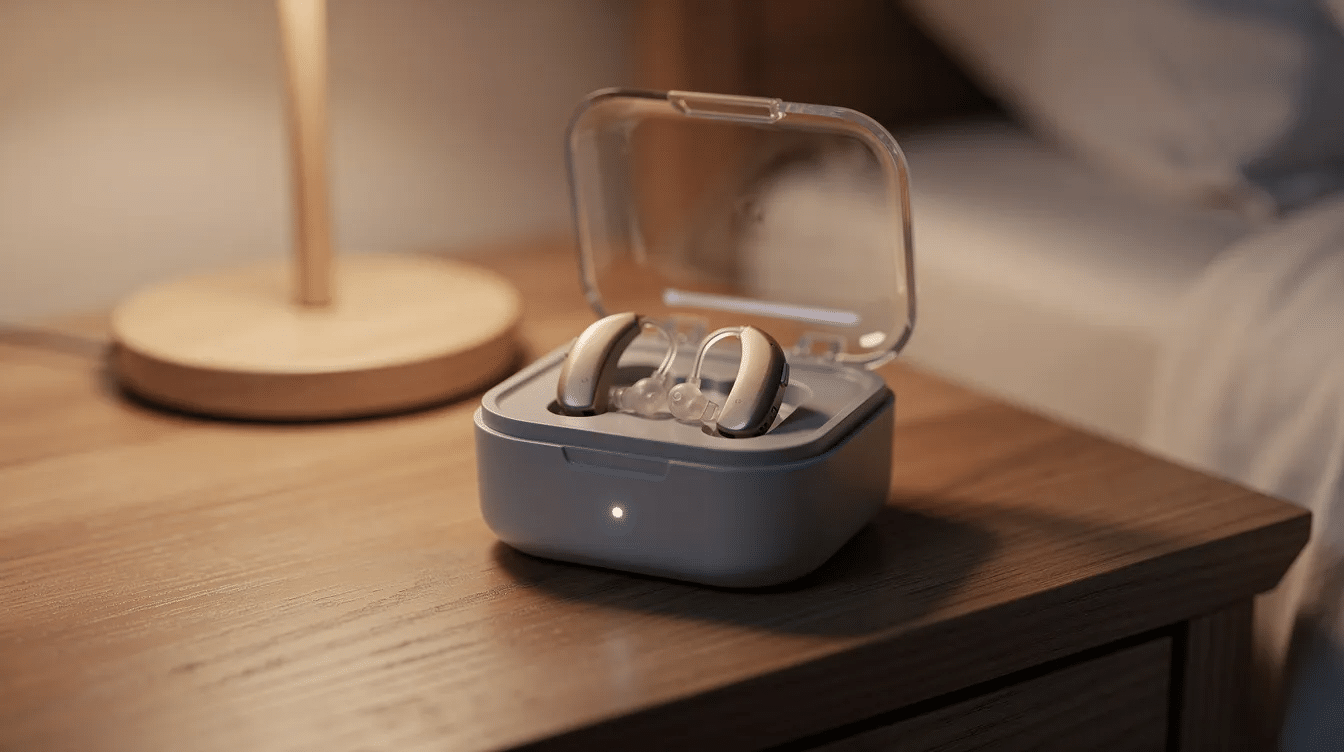
Place the hearing aids in a hearing aid dehumidifier or drying box overnight. This can help remove residual moisture that may not be visible.
5. Avoid Heat
Do not use hair dryers, ovens, microwaves, direct sunlight, or place hearing aids on a hot car dashboard. Excessive heat can damage sensitive electronic components.
6. Monitor Performance
If you notice muffled sound, intermittent performance, unusual noises, or charging issues after the hearing aids have dried, contact Clarisound for professional advice and inspection.
While modern hearing aids are increasingly durable, prompt drying and proper care can help maximise their lifespan and long-term reliability.
Daily Habits to Keep Hearing Aids Dry in Malaysia
Here are effective ways to protect your hearing aids in Kuala Lumpur, Petaling Jaya, Penang, Puchong, Kuching, and other humid areas:
- Carry an umbrella during monsoon weather.
- Use a cap, scarf, or hood during leisure activities.
- Regularly cleaning your hearing aids with a soft, dry cloth can help remove sweat and dirt, preventing clogging of microphone ports and sound outlets.
- Regularly wiping down hearing aids with a soft, dry cloth after physical activities can help prevent sweat from causing moisture damage.
- Store devices away from bathrooms, windows, and parked cars.
Storing hearing aids in a cool, dry place and using a drying box overnight can help protect them from moisture buildup in humid conditions.
Water-Resistant vs. Waterproof: What Your Hearing Aid Can (and Cannot) Handle

When evaluating hearing aid durability, the IP rating is often more useful than the term “waterproof hearing aids.”
An Ingress Protection (IP) rating measures a hearing aid’s resistance to dust and moisture. Many premium hearing aids, including selected Signia and Rexton models, feature IP68-rated protection, providing a high level of resistance against rain, sweat, humidity, and everyday moisture exposure.
Most modern premium hearing aids with an IP68 rating are designed to withstand perspiration, humidity, rain, and accidental water exposure. Some models, such as selected Rexton hearing aids, are engineered for exceptional durability in demanding conditions, including Malaysia’s heavy downpours and humid climate.
However, water resistance does not mean unlimited water exposure. After significant contact with water, hearing aid performance may be temporarily affected if moisture remains in microphone ports, receivers, or other components. In many cases, the hearing aids simply need time to dry before returning to normal operation.
While IP68-rated hearing aids offer excellent protection against moisture, manufacturers may still recommend removing them before swimming, diving, or prolonged underwater activities. Proper drying and regular maintenance help ensure optimal performance and long-term reliability.
Using Dehumidifiers and Drying Kits Effectively
If your hearing aids have been exposed to moisture, place them in a hearing aid dehumidifier or drying box overnight. This helps remove residual moisture, maintain optimal performance, and support long-term reliability.
Avoid using hair dryers, ovens, microwaves, direct sunlight, or placing hearing aids on a hot car dashboard. Excessive heat can damage sensitive electronic components and may shorten the lifespan of the device.
For individuals living in humid climates such as Malaysia, a hearing aid drying box can be a worthwhile investment. Some models also include UV sanitising features, but their primary purpose is to help remove trapped moisture and support reliable hearing aid performance.
Outdoor Activities, Sweat and Hearing Aids in a Tropical Country
The human body produces sweat during walking, gardening, sports, and physical activity. Sweat carries salts that may clog ports and corrode contacts.
For an active lifestyle, consider using sweatbands, caps, or moisture-resistant hearing aid accessories to help reduce direct exposure to perspiration. During prolonged exercise, a quick wipe-down can help remove excess moisture and maintain comfort.
Most users can continue wearing their hearing aids during exercise, particularly if clear communication, environmental awareness, or safety cues are important. If you choose to remove your hearing aids for certain activities, store them in a protective case in a safe, dry location.
These simple habits can help support hearing aid performance, reliability, and long-term durability.
How Clarisound Supports You in Keeping Hearing Aids Safe from Moisture

Clarisound does not just fit devices; we support our customers through four key hearing rehabilitation pillars – Accurate Diagnosis → Correct Device → Expert Fitting → Proactive Long-Term Care.
At Clarisound, MAHPC-registered, non-commissioned audiologists help determine the best hearing aid approach for your hearing loss, lifestyle, and weather exposure. We use Real-Ear Measurement, which checks how sound reaches your ear canal, supporting clearer speech, reduced listening effort, and everyday life benefits.
When selecting best hearing aids, key features may include water protection, universal connectivity, bluetooth connectivity, android smartphone compatibility, single charge convenience, and suitability even for complex needs such as profound hearing loss. We partner with trusted technology such as Signia and Rexton.
When Moisture Problems Require Professional Care
Most moisture-related issues can be resolved with prompt drying and maintenance. However, if sound quality remains poor after drying, or your hearing aids continue to produce static, cut in and out, or perform inconsistently, contact Clarisound for professional advice.
If the problem involves your hearing rather than the device—for example sudden hearing changes, tinnitus, or ear discomfort—a comprehensive hearing assessment is recommended.
You can book a Free Hearing Test, Book a No-Obligation Consultation, or Chat with an Audiologist.

FAQ
Can I wear my hearing aids in heavy Malaysian rain if I use an umbrella?
Usually, yes for short walks, especially with IP rated models. But wind-driven rain can still soak exposed areas of your hearing aids, such as the ports and seams, so wipe and dry them afterwards.
Is it safe to dry my hearing aids under direct sunlight or with a hair dryer?
No. Strong heat can damage plastic shells and internal components. Use a soft cloth, then a proper hearing aid dehumidifier.
Do I still need a dehumidifier if my hearing aids have a high IP rating?
Yes. IP ratings reduce risk, but they do not remove existing humidity trapped after daily wear.
What if I already have hearing aids from another provider?
At Clarisound, we may be able to assist users who purchased their hearing aids elsewhere, subject to device compatibility and service availability.
We offer annual hearing aid care packages for eligible users from other centres. As each case is different, we recommend arranging a consultation with our audiologists to discuss your needs and explore the most appropriate support options.