

Treating Hearing Loss Is More Important Than You Think
Many people treat hearing loss as something to “live with.” It’s not painful, it creeps in slowly, and for some, it feels like part of getting older. But here’s what’s less known: untreated hearing loss isn’t just an ear issue—it can quietly worsen conditions like diabetes, high blood pressure, depression, and even dementia.
According to a 2023 review in The Lancet Healthy Longevity, there’s growing evidence that hearing loss may exacerbate cardiometabolic risks, including hypertension and diabetes, by increasing social withdrawal and stress-related hormone activity (Livingston et al., 2023).
Meanwhile, a 2022 study published in JAMA Psychiatry linked untreated hearing loss to a 44% higher risk of depression in adults over 60 (Nieman et al., 2022). As for dementia? The connection is even stronger.
The impact of Hearing loss on your brain is profound. Research shows a clear cognitive decline correlation—especially when hearing loss goes untreated. When the brain has to work harder to decode sounds, it reallocates energy from memory, focus, and speech processing. Over time, this can lead to long-term issues with thinking and decision-making.
This is why neural pathway preservation is essential. The longer your brain receives clear sound, the stronger these pathways remain. Protecting your hearing helps protect your brain’s structure and function.
Hearing Loss is a Preventable Cause of Dementia
Think of your brain like a busy city. When hearing fades, it’s like closing down the main road to the sound center. Other parts of the brain—like the memory and thinking areas—have to pick up the slack. Over time, this makes them work harder and wear out faster.
According to the Royal National Institute for Deaf People (RNID):
- Mild hearing loss doubles the risk of developing dementia
- Moderate hearing loss triples it
- Severe hearing loss increases dementia risk fivefold
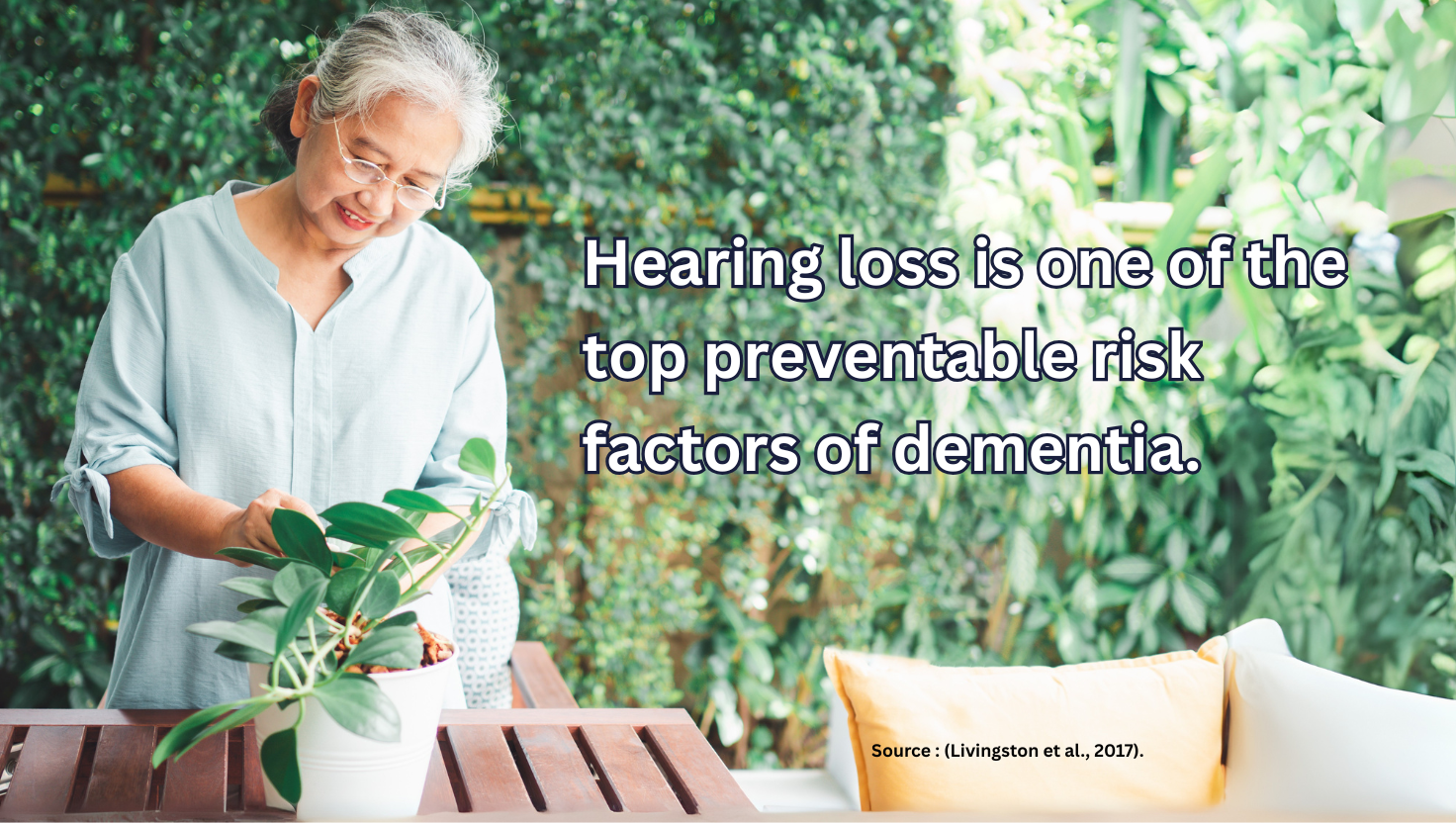
The Lancet medical journal backs this up. Experts say hearing loss is one of the top preventable risk factors of dementia. In fact, if more people took care of their hearing earlier, up to one in three dementia cases could be avoided (Livingston et al., 2017).
So hearing loss isn’t just something to ignore—it could be the first sign your brain needs help too.
Hearing Loss Dementia Prevention – Early Detection & Intervention
Why Hearing Checks Matter
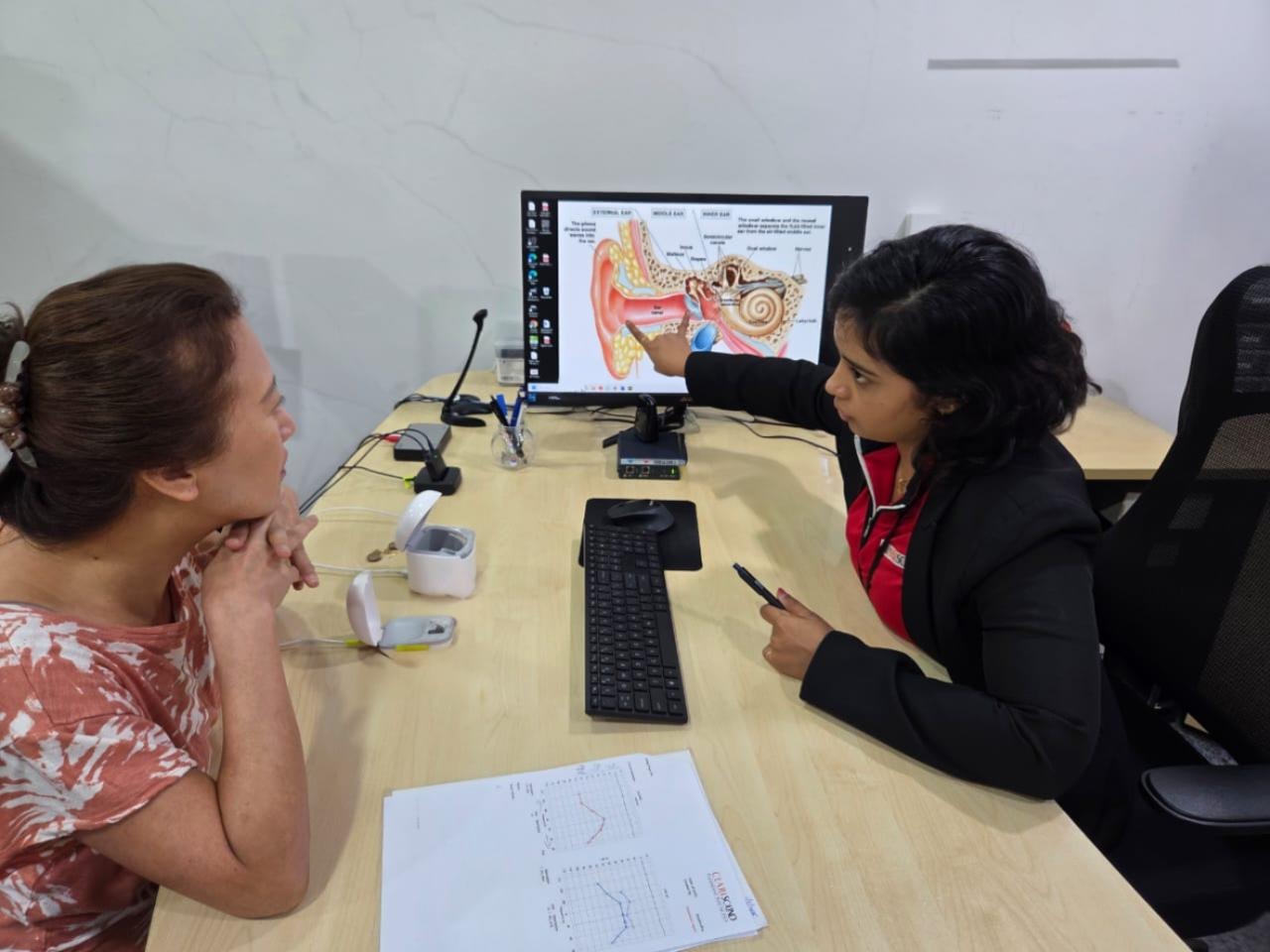
Early intervention in hearing loss can help your brain. That’s because your brain depends on sound to keep its neural pathways strong—just like muscles need exercise. If the ears go quiet, the brain starts working harder to fill in the blanks, which can lead to cognitive decline over time. That’s why early detection is so important.
You can start by watching for small changes in yourself:
- Do people seem to mumble more?
- Are you turning up the TV louder than before?
- Do you ask others to repeat themselves often?
- Do noisy places make conversations extra hard?
Also watch for signs in loved ones:
- They respond oddly or don’t answer at all
- They smile and nod, even when it doesn’t fit the question
- They avoid group chats or phone calls
- They seem tired or stressed after social events
These could be early symptoms of hearing loss—and they’re easier to treat if caught early.
Clarisound, a reputable hearing healthcare provider, offers a free online hearing check on the Clarisound website. The five-minute test is a fast and simple way for you to manage your hearing health proactively. Remember, preventive care can make a big difference for your brain health and the quality of your life.
Intervention Importance Timing – Start Checking Your Hearing at 40
Just like you’d get your eyes checked or monitor your blood pressure, experts say your hearing health deserves the same attention. Hearing care specialists recommend getting a hearing test every 1–2 years starting in your 40s (World Health Organization, 2021). When you get help early—through hearing aids, sound therapy, or brain-training programs—you keep those neural pathways strong. Early intervention improves treatment outcomes, helps delay cognitive decline, and reduces long-term healthcare costs.
Think of it like spotting a leak in a roof. If you catch it early, it’s a simple fix. Wait too long, and it damages the whole structure. The same goes for your brain.
So don’t wait for big symptoms. Start simple: book a test, check your ears like you check your eyes, and protect your brain along the way.
How Hearing Aids Support Brain Health
The Brain-Boosting Benefits

Hearing aids aren’t just for hearing—they’re for thinking, too. When you use hearing aids, you’re not just turning up the volume. You’re turning on your brain.
Here’s how it works: your brain has neural pathways and cortical pathways that help you understand sound, speech, and meaning. When hearing fades, those brain pathways get less input. It’s like a garden hose that hasn’t been used—over time, it stiffens up and stops working well. But when you wear hearing aids, you keep those pathways active, flexible, and strong.
Hearing aids also help the brain stay balanced and aid brain health relationship . They stimulate dopamine pathways—the same ones that affect how we feel pleasure and motivation. This can help reduce the risk of depression, which is a key risk factor for dementia. A study in Frontiers in Neuroscience (Tognin et al., 2021) found that hearing aids can help support emotional resilience and reduce cognitive load, especially in older adults.
Most importantly, hearing aids lower the mental effort it takes to listen. That means less fatigue, better focus, and stronger brain function overall—key to slowing down cognitive decline.
Smarter Technology, Excellent Treatment Outcomes
Getting used to hearing aids used to be hard. But today’s technology makes the journey a whole lot easier. Think of it like switching from an old bicycle to a high-tech e-bike—less effort, better results. Modern hearing aids don’t just amplify sound; they support your brain health, reduce cognitive load, and help you adapt with less stress. This is key for treatment outcomes, especially during the first few weeks of rehabilitation.
Most people need between a few weeks to three months to adjust to hearing aids, depending on how long their hearing loss was left untreated. That’s because the brain needs time to re-learn how to process sound—a process known as neural adaptation (Davis et al., 2020). Early use of advanced hearing aids helps preserve neural pathways and speeds up this adjustment period.
Clarisound offers hearing aids from Rexton and Signia, two of the most trusted brands from the WSA Group—a global leader in hearing technology that invests over €170 million a year in research and partners with more than 50 science institutions worldwide.
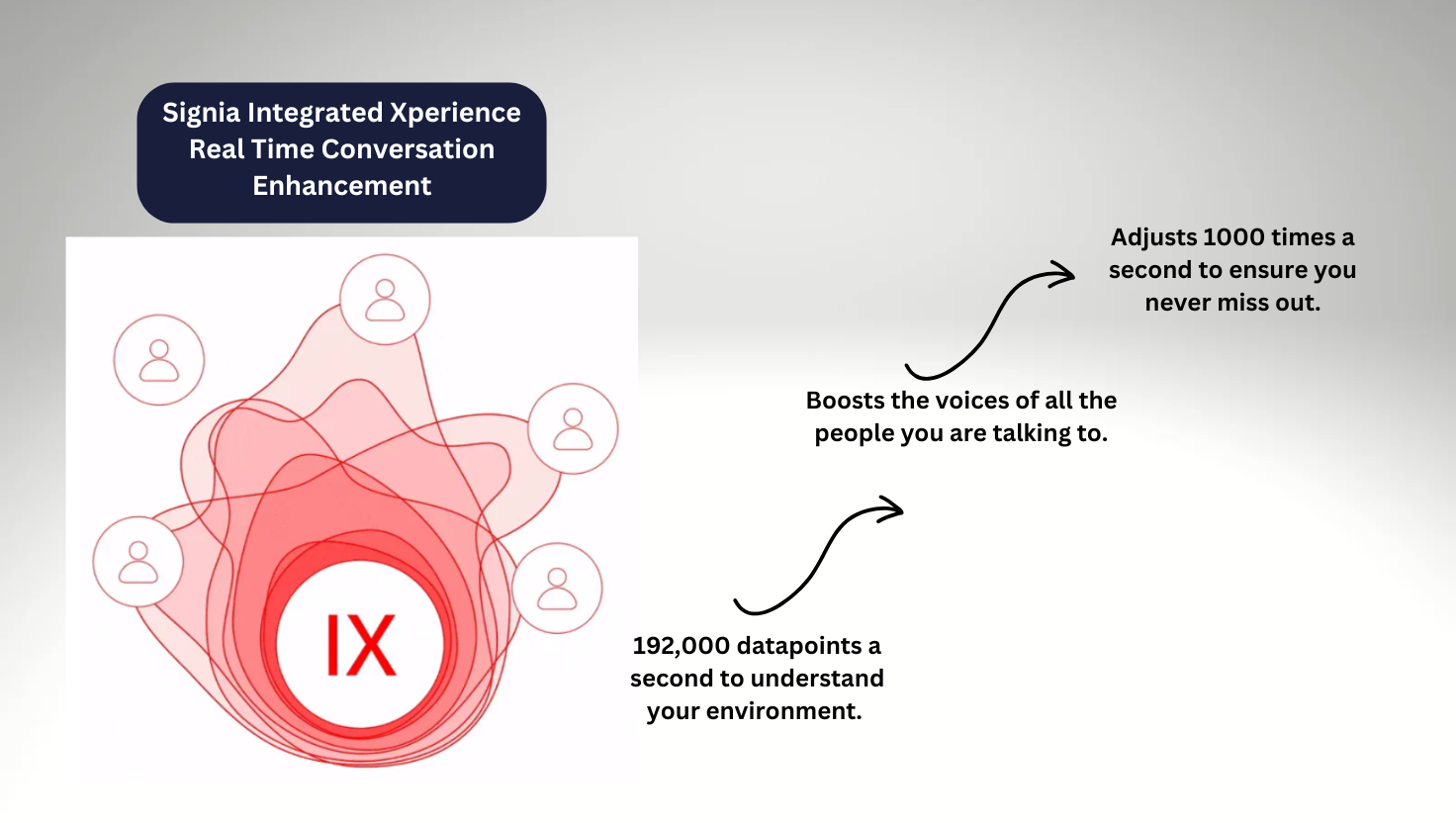
- Signia models include award-winning AI-powered devices like the new Signia Integrated Xperience (IX). It reads over 192,000 data points per second, adjusts 1,000 times a second, and boosts voices so you can follow conversations with ease—even in noisy places. You can also choose stylish, discreet options, including invisible CIC styles and earbud-like designs that look nothing like medical devices.
- Rexton Rugged aids are built for those who love the outdoors and live active lifestyles. They’re drop-proof, water-resistant, heat- and sweat-proof, and even UV- and vibration-resistant. Think of them as “lifeproof” devices that keep performing—whether you’re working outdoors, exercising, or on the move.
Both brands offer Bluetooth connectivity, rechargeable batteries and 24/7 AI app support, giving users the ability to adjust settings anytime, anywhere. With Bluetooth, rechargeable batteries, and smart cortical support, they help make hearing easier and more natural—so your brain doesn’t have to work overtime.
The Preventative Approach: Simple Steps, Big Impact
Here’s how to take a proactive approach to dementia prevention:
- Protect your ears from noise with custom-fit plugs
- Manage chronic diseases like diabetes and hypertension
- Stay socially and mentally active
- Address anxiety and depression early
- Use hearing aids early to reduce brain stress and preserve memory
These preventative approach benefits are maximized when started early and consistently managed.
Across the Ages: Prevention Timeline
Young Age
Avoid prolonged headphone use and noisy environments.
Middle Age (40–65)
This is the ideal window to start regular evaluation. If early symptoms are caught now, outcomes can improve dramatically.
Older Age (65+)
Timely intervention with hearing aids and therapy helps maintain independence and lowers the risk of dementia.
All Life Stages
Make regular check-ups and lifestyle care a lifelong habit. The earlier you act, the more you protect your cognitive development.
Don’t Wait to Hear Better—Act Now to Think Sharper
Hearing aids aren’t just devices. They’re a lifeline—connecting you to sound, memory, and life itself.
Whether you’re 40 or 70, the best time to protect your hearing is now. Book your hearing test with a Clarisound hearing care expert and take the first step toward protecting your brain and reclaiming your lifestyle.
Why Malaysians Trust Clarisound
Clarisound is Certified by the Medical Device Authority of Malaysia (MDA) for GDPMD and all our audiologists are registered with the Malaysian Allied Health Professions Council (MAHPC).
We provide:
- Free hearing evaluations
- Personalised fittings of Signia and Rexton hearing aids
- Comprehensive support with telecare and in-person guidance
We’re headquartered at Mid Valley Megamall, with additional centres in Puchong, Centrepoint, Penang, and Kuching.
We exclusively carry WSA Group brands, backed by €170 million annually in R&D, working with 50+ science institutions worldwide.
Testimonial: A Life Changed by Clarisound
_“I would like to express my sincere gratitude for the exceptional service and support. Your expertise and dedication have significantly improved my hearing experience. I am now enjoying music clearly, having clear communication with others, and able to attend/conduct meetings confidently.
The professionalism and care shown by your team throughout the process were outstanding. Thanks to Clarisound, I can now enjoy clearer and more vibrant sound in my daily life. Thank you once again for making such a positive impact on my life.”_
— SH Chiew
References
- Livingston, G., et al. (2017). Dementia prevention, intervention, and care. The Lancet, 390(10113), 2673-2734. https://doi.org/10.1016/S0140-6736(17)31363-6
- Royal National Institute for Deaf People (RNID). (2021). Hearing Loss and Dementia. https://rnid.org.uk
- National Institute on Deafness and Other Communication Disorders. (2020). Age-Related Hearing Loss. https://www.nidcd.nih.gov
- Glick, H. A., & Sharma, A. (2020). Cross-modal plasticity in developmental and age-related hearing loss: Clinical implications. Hearing Research, 397, 108038.
- Tognin, S. et al. (2021). Hearing Aids Use and Cognitive Function: A Review. Frontiers in Neuroscience.
- Sharma, A. & Glick, H. A. (2020). Cross-modal plasticity in age-related hearing loss: Clinical implications. Hearing Research, 397. https://doi.org/10.1016/j.heares.2020.108038
- Davis, A., McMahon, C. M., Pichora-Fuller, K. M., Russ, S., Lin, F., Olusanya, B. O., Chadha, S., & Tremblay, K. L. (2020). Aging and hearing health: the life-course approach. The Gerontologist, 60(5), 856–864. https://doi.org/10.1093/geront/gnaa034
- Signia. (2023). Integrated Xperience Technology. https://www.signia.net
- WSA Group. (2024). Research and Innovation Report. https://www.wsagroup.com/innovation
<!– */