

Introduction: Hearing Aids and Hijab
Wearing hearing aids with a hijab can present unique challenges for Muslim women, especially when trying to balance hearing comfort with religious attire adaptation. Hearing aids are essential tools for individuals with hearing loss, but finding headscarf compatibility solutions is key for daily ease and confidence.
At Clarisound, we take cultural considerations seriously when supporting Muslim women in selecting and wearing hearing aids. We practice cultural humility and stay aware of each individual’s values to build trust and ensure that our solutions blend seamlessly with daily life and religious practices.
Cultural Considerations and Patient Interaction
Wearing hearing aids with a hijab often intersects with deeply held cultural values, religious attire considerations, and individual daily routines. For many Muslim women, the hijab is a meaningful expression of identity and personal belief—not merely a fashion choice. A respectful and understanding approach is essential to ensure hearing solutions integrate seamlessly into this context.
Integrating hearing aid services into this cultural framework means embracing patient beliefs and building inclusive interactions. Clarisound’s hearing care experts approach every case with cultural humility, tailoring solutions that respect each woman’s lifestyle, preferences, and traditions.
Choosing the Right Hearing Aid for Hijab Wearers
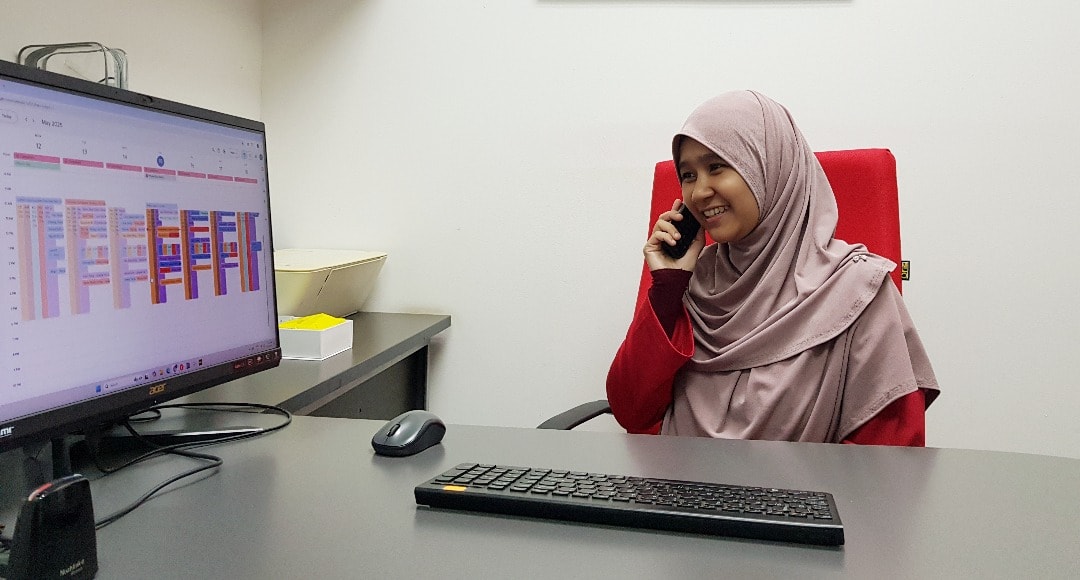
When choosing a hearing aid, several factors must be considered together—including the type of hijab worn, hair volume, hearing loss profile, and daily lifestyle. Muslim women with active routines, such as teaching, caregiving, or commuting, may benefit from hearing aids with secure retention and noise reduction features. Thick fabrics or tightly wrapped hijabs can affect both comfort and sound clarity, especially when they interfere with the microphone or create pressure on the ears. A discreet device positioning, tailored to the user’s hairstyle and headscarf method, is crucial for better retention, confidence, and everyday usability.
Discreet Hearing Aid Options for Hijab Wearers
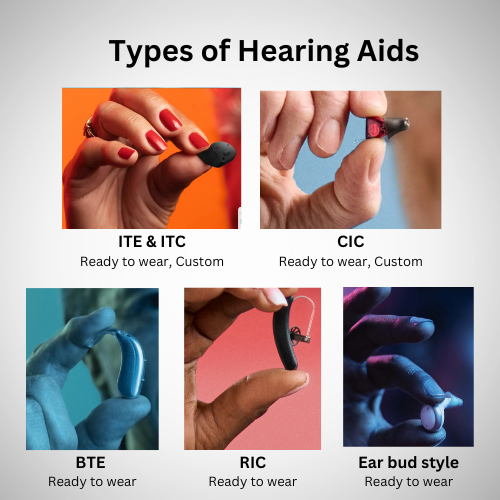
For many Muslim women, especially those who wear tightly wrapped or layered hijabs, discreet hearing aids offer an ideal solution that blends comfort with confidence. Clarisound provides a range of completely-in-the-canal (CIC) hearing aids that are nearly invisible when worn. These devices sit deep within the ear canal, making them an excellent choice for those seeking a minimal, non-intrusive appearance without compromising on hearing quality.
CIC aids are particularly well-suited for hijab wearers, as they eliminate interference with headscarves and reduce the risk of the device being displaced during wear or prayer. Despite their small size, these hearing aids are equipped with advanced technology, offering clear sound, Bluetooth compatibility, and AI-driven adjustments.
Hijab Style and Head Covering Tips
Hijab styles play a critical role in hearing aid comfort and wear. Different materials and wrapping techniques can either support or interfere with the device’s performance.
- Lightweight fabrics like chiffon, viscose, or cotton voile are generally more hearing-aid friendly.
- Use undercaps with ear cut-outs or thin fabric to allow for discreet device positioning.
- Hijab adornments such as clips, hoops, or magnets can help secure fabric and reduce slippage without disturbing the hearing aid.
- Avoid satin or heavy layers around the ears that may cause audio feedback or muffle sound.
Adapting hijab styles for hearing aid use is a process. Regular experimentation, and feedback from your hearing care provider, can lead to more comfortable and effective combinations over time.
Hair Management for Better Fit
Hair under the hijab can significantly affect hearing aid placement. Managing volume with simple hairstyles such as low buns, side braids, or ponytails helps prevent pressure on the hearing device.
- Use hair ties and clips strategically to flatten hair around the ears without discomfort.
- For those with thick or curly hair, layered undercaps or breathable mesh linings can help maintain stability.y
- Hair should be completely dry before wearing aids to avoid moisture buildup and ensure proper device function.
Everyday Wear and Care Tips
Maintaining both hijab and hearing aids daily means being mindful of fabric, moisture, and mobility. These small habits can make a big difference in comfort and device lifespan:
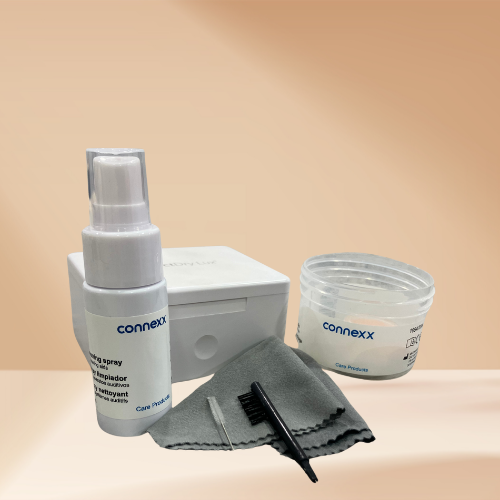
- Clean hearing aids regularly and store them safely.
Dust, sweat, and fabric fibres can clog microphones and vents. A daily wipe-down and proper storage reduce the risk of malfunction and extend device longevity. - Always dry hair completely before putting on hearing aids.
Moisture from damp hair can interfere with the hearing aid’s electronics and promote bacterial growth, especially in Malaysia’s humid climate. - Remove hearing aids before adjusting hijab to prevent pulling or dislodging.
Adjusting the scarf while wearing the devices may cause them to shift, fall, or create discomfort—especially if wrapped tightly around the ears. - Choose breathable, quick-dry fabrics in Malaysia’s warm climate.
Materials like cotton voile or bamboo viscose allow for airflow, reducing the buildup of heat and sweat around the ears which could affect hearing clarity and comfort. - Use fabric-safe, moisture-wicking head coverings to prevent overheating or sweating.
Specialized undercaps or sports fabrics can draw moisture away from the skin, helping to keep the area around the hearing aids dry and irritation-free.
Consistency in these routines not only enhances daily comfort but also helps preserve the performance and hygiene of your hearing aids. When hearing aids are treated as part of your daily wear—just like your hijab—they integrate more naturally into your life.
Hearing Aid Adjustment Period
Adapting to hearing aids can take time—typically from a few weeks to three months. This adjustment depends on how long the hearing loss went untreated. The brain needs time to re-learn how to process sound. Support from a hearing care center ensures this period goes smoothly with professional fine-tuning and aftercare (NIDCD, 2022).
Premium Hearing Aid Solutions by Clarisound

Clarisound offers premium hearing aids from Signia and Rexton, global leaders from WSA Group, which invests over EUR 170 million annually in hearing aid R&D. Both brands support Bluetooth connectivity, rechargeable batteries, and 24/7 AI App Hearing Support.
- Signia: Features award-winning AI, discreet CIC (completely-in-canal) options, and stylish EarBud-style hearing aids. Their advanced Signia IX technology processes 192,000 data points per second, adjusting 1,000 times per second for seamless conversations.
- Rexton: Designed with “Lifeproof” ruggedness—drop-proof, water-resistant (IP68), UV-resistant, and ideal for outdoor or active lifestyles.
Proper hearing aid fitting is essential and should always be guided by professionals. At Clarisound, all audiologists are registered with the Malaysian Allied Health Professions Council (MAHPC), and we are certified by Malaysia’s Medical Device Authority (MDA) for GDPMD compliance.
Clarisound’s Support for Muslim Women
Clarisound is headquartered in Mid Valley Megamall and has two other outlets conveniently located in Puchong and Centrepoint. There are also outlets in Clarisound Penang and Clarisound Kuching.
We’re proud to support the diverse needs of our clients—including Muslim women looking for practical, respectful solutions to wear hearing aids with hijab comfortably. Our team provides personalised care, expert fittings, and culturally aware guidance for a seamless hearing experience.
Final Thoughts
Wearing hearing aids with a hijab is not only possible—it can be empowering. With the right tools, cultural considerations, and expert support from Clarisound, Muslim women can confidently embrace both their faith and their hearing health.
Disclaimer
This article is intended to provide helpful tips for Muslim women who wear the hijab and use hearing aids. It is not meant to serve as religious guidance or an authoritative source on cultural practices. While we are not experts in Islamic attire or traditions, we have taken care to approach this topic with cultural humility and have invited feedback from Muslim women to ensure the content is thoughtful, respectful, and useful.
We are sincerely grateful for the insights shared with us, and we remain committed to supporting diverse hearing care needs with empathy and understanding.
<!– */