
Key Takeaways
The two main types of hearing loss affecting adults are conductive and sensorineural, and they require very different treatment approaches. Understanding which type you have is essential before any treatment plan can begin.
- Conductive hearing loss affects the outer or middle ear, where sound waves are physically blocked from reaching the inner ear so sounds seem softer or muffled.
- Conductive hearing loss often responds well to amplification, but effective fitting still requires careful adjustment—not just increasing volume. The appropriate technology level depends on your listening needs, not just the type of hearing loss.
- Sensorineural hearing loss involves damage to the inner ear or auditory nerve, meaning sound reaches the ear but the brain receives a distorted or incomplete message. This is the most common type of permanent hearing loss in adults.
- Mixed hearing loss combines both types and is particularly common in older adults who may have age-related inner ear damage alongside a middle ear problem like fluid or ear wax buildup.
- Only a proper hearing test with a qualified audiologist can confirm which type of hearing loss you have and guide the right treatment path.
- At Clarisound, we offer free hearing tests across Malaysia with MAHPC-registered audiologists who will explain your results clearly and discuss what options are right for you—with no pressure or obligation.
Introduction: Two Main Types of Hearing Loss Explained Simply
Many of us notice the signs gradually. Perhaps you’ve been turning up the TV volume more than usual, or you find yourself asking “what did you say?” at the kopitiam when your friends are chatting. Maybe your children have gently mentioned that you seem to miss parts of conversations during family dinners. These experiences are more common than you might think, and they often leave people wondering: what’s actually happening with my hearing?
Most long-term hearing problems in adults fall into two main categories: conductive hearing loss and sensorineural hearing loss. There’s also a third type—mixed hearing loss—which is simply a combination of both occurring together. Understanding which type you have matters tremendously, because the treatment options are very different.
Here’s a simple way to think about it. Imagine your ear as a sound system. Conductive hearing loss is like having a blocked speaker—the sound can’t get through properly. Sensorineural hearing loss is more like having damaged wiring or a faulty microphone inside the system—the sound reaches the equipment, but it can’t be processed correctly. This is why simply turning up the volume doesn’t always help with sensorineural loss; the issue isn’t loudness, it’s clarity.
At Clarisound, we focus on the complete rehabilitation pathway rather than simply fitting a device. This means accurate diagnosis first, then the correct device selection if needed, followed by expert fitting and long-term care. Because getting the diagnosis right is where everything starts.

What Is Conductive Hearing Loss?
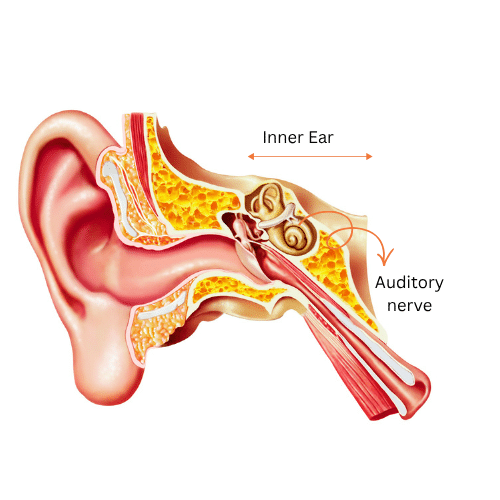
Conductive hearing loss occurs when sound cannot travel properly through the external ear or middle ear to reach the inner ear. The problem lies in the sound’s physical pathway—something is blocking or interfering with the transmission of sound waves before they can reach the delicate hearing structures deeper inside.
If you have conductive hearing loss, sounds typically seem softer or muffled, rather like having your ears blocked after a cold or swimming underwater. Many people describe a “full” or “blocked” sensation in one or both ears. The good news is that the inner ear itself is usually working normally—so if sound could just get through, you would hear clearly.
Conductive hearing loss can affect both children and adults. In children, it’s often related to ear infections or fluid build up. In adults, causes range from simple ear wax impaction to more complex middle ear conditions. Importantly, conductive loss is more likely to be temporary or medically treatable compared to sensorineural loss.
Common Causes of Conductive Hearing Loss
The causes of conductive hearing loss lie in the outer or middle ear, and many are relatively common and treatable.
| Cause | What Happens |
|---|---|
| Impacted earwax (cerumen) | Wax builds up and blocks the ear canal, especially common in Malaysia’s humid climate |
| Middle ear fluid (otitis media) | Infection or inflammation causes fluid to accumulate behind the eardrum, often after flu or sinus infections |
| Perforated eardrum | The tympanic membrane tears due to loud noise, injury, sudden pressure changes (like during flights), or chronic infection |
| Ossicle problems | The tiny middle ear bones become stiff (otosclerosis with abnormal bone growth) or dislocated after head trauma |
| Eustachian tube dysfunction | The tube connecting middle ear to throat doesn’t work properly, causing pressure imbalance |
| Foreign bodies | Objects in the ear canal, particularly common in children who insert small beads or toy parts |
| Chronic otitis media or otitis externa | Long-standing ear disease affecting the ear canal or middle ear space |
It’s worth noting that while ear wax can cause conductive loss, Clarisound does not provide ear cleaning services. When we identify wax impaction during assessment, we’ll refer you to appropriate medical providers who can safely remove it.
A word of caution: please do not insert cotton buds or other objects into your ear canal. This often pushes wax deeper and can injure the ear drum.
Symptoms: How Conductive Hearing Loss Feels Day to Day
People with conductive hearing loss often describe experiences such as:
- A “blocked ear” sensation, which may come on suddenly or gradually—often affecting one ear
- Needing to increase TV or phone volume, with sounds feeling softer or more muffled rather than distorted
- Noticing that one ear hears better than the other, especially when using the phone
- Your own voice sounding unusually loud (a sensation known as autophony)
- Ear pain, discharge, or popping sensations if infection or eardrum issues are present
- Occasionally, a foul odour from the ear if infection is involved
Many people notice that when sounds are made louder, they can hear more clearly—but still feel that something is “blocking” the ear. This is because the inner ear is often functioning relatively well, but sound is being reduced or obstructed before it reaches it.
Conductive hearing loss may occur on its own or alongside age-related inner ear hearing loss, which is common in older adults.
When to Seek Medical Attention
If hearing changes occur together with symptoms such as fever, sore throat, nasal congestion, or ear discomfort, it may indicate an underlying medical condition that should be assessed by a GP or ENT specialist.
Treatment Options for Conductive Hearing Loss

The encouraging news is that many causes of conductive hearing loss can be improved with the right approach—but the starting point is always an accurate diagnosis.
At Clarisound, we focus on understanding the underlying cause before recommending any intervention. Some conditions, such as earwax buildup or infection, may be medically managed and can improve hearing once addressed.
In cases where the condition is ongoing or not fully reversible, hearing aids can play an important role by helping sound reach the inner ear more effectively—supporting clearer and more comfortable listening in everyday situations.
Medical approaches typically include:
- Antibiotics and monitoring for ear infections and middle ear fluid (managed by your GP or ENT specialist)
- Safe wax removal by trained medical professionals
- Treatment of eustachian tube dysfunction
- Repair the eardrum or middle ear structures may be considered depending on the specific condition.
If you’re experiencing hearing problems, start with a proper hearing check. At Clarisound, we offer a free hearing test and consultation to help you understand what’s going on and what support you may need. Where necessary, we will guide you to the appropriate GP or ENT specialist. In many cases, however, hearing can be effectively supported with professionally fitted hearing aids—providing a practical, non-invasive solution that improves everyday communication and confidence.
Our role at Clarisound is to:
- Identify the type and degree of conductive hearing loss through comprehensive audiological testing
- Refer to medical specialists promptly when we see signs requiring medical or surgical care
- Provide and fine-tune appropriate hearing aids if permanent conductive or mixed loss remains after medical treatment
We work closely with ENT specialists when needed and never push devices when medical care should be the priority. Your hearing health is our focus, not making a sale.
What Is Sensorineural Hearing Loss?
Sensorineural hearing loss results from damage to the inner ear (the cochlea) or the auditory nerve pathway that carries sound signals to the brain. Unlike conductive loss where sound is blocked, here the sound reaches the inner ear but cannot be processed correctly.
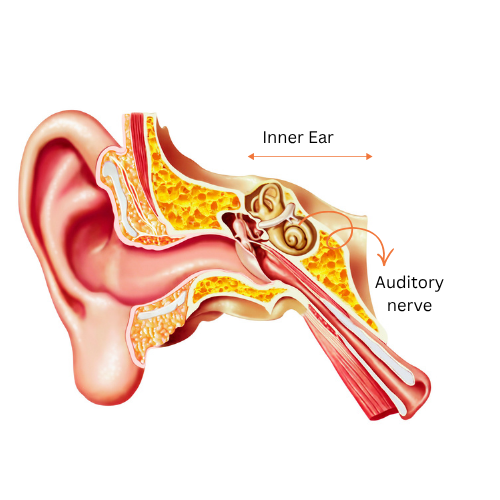
Inside your cochlea are thousands of tiny hair cells—delicate structures that convert sound vibrations into electrical signals your brain can understand. When these hair cells are damaged or the auditory nerve is affected, the message your brain receives becomes incomplete or distorted. Unfortunately, once damaged, these hair cells cannot regenerate.
This is the most common type of permanent hearing loss in adults. Age-related hearing loss (presbycusis) and noise induced hearing loss account for the vast majority of cases. Unlike conductive hearing loss, which typically makes sounds softer, sensorineural hearing loss affects how sound is processed—often reducing clarity, especially in conversations.
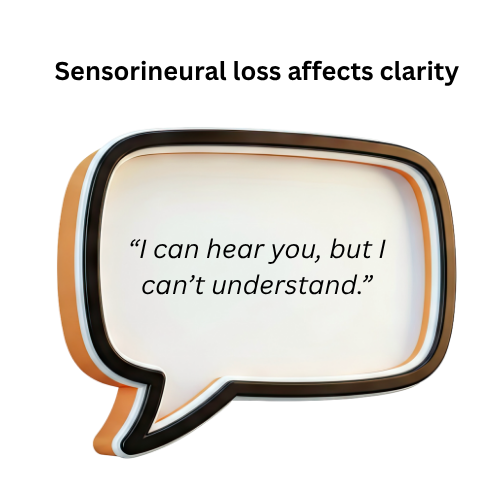
Think of it this way: with sensorineural loss, turning up the volume isn’t enough because the “clarity system” inside your ear is damaged. It’s not that sounds are too quiet—it’s that they’re scrambled. This is why many people with this condition say, “I can hear you talking, but I can’t understand what you’re saying.”
Common Causes of Sensorineural Hearing Loss
Sensorineural hearing loss has several well-documented causes:
| Cause | Description |
|---|---|
| Aging (presbycusis) | Gradual hearing decline, often noticeable after age 60 and above, affecting high-pitched sounds and speech clarity first |
| Noise exposure | Long-term exposure to loud sounds—machinery, construction, traffic, concerts, high-volume earphones |
| Sudden sensorineural hearing loss | Rapid hearing drop in one ear over hours or days; considered a medical emergency |
| Genetic factors | Family history of early hearing loss or inherited inner ear conditions |
| Ototoxic medications | Certain antibiotics, chemotherapy drugs, or high-dose aspirin |
| Infections | Meningitis, viral infections affecting the inner ear |
| Head trauma | Traumatic brain injuries or fractures affecting the inner ear structures |
| Autoimmune inner ear disease | The body’s immune system attacks inner ear structures |
| Meniere’s disease | Inner ear disorder affecting hearing and balance |
| Congenital hearing loss | Present from birth due to genetic or developmental factors |
Noise induced hearing loss deserves special attention because it’s largely preventable. Whether from factory work, construction sites, or simply years of loud music through earphones, protecting your ears with proper ear protection can preserve your hearing for decades longer.

Sudden hearing loss is an urgent medical condition that requires prompt assessment. Early treatment—ideally within the first 72 hours—offers the best chance of recovery.
In many cases, no clear cause is identified (idiopathic sudden hearing loss), but prompt medical treatment can still lead to meaningful imrovement.
Symptoms: How Sensorineural Hearing Loss Feels Different
Sensorineural loss creates a distinctly different experience from conductive loss:
- Others seem to “mumble” or speak too fast, especially in groups
- Significant trouble hearing in noisy environments like kopitiams, wet markets, or family gatherings, even when voices are loud enough
- Needing to ask for repetition, particularly for women’s and children’s voices (higher-pitched sounds are often affected first)
- Turning up the TV volume but still struggling to follow dialogue clearly
- Possible tinnitus—constant or intermittent ringing, buzzing, or hissing in one or both ears
- Faint sounds become imperceptible even in quiet settings
- Difficulty with phone conversations
Sensorineural hearing loss often develops gradually, making it less noticeable at first—so family members may recognise the changes before you do. Adult children may comment that mum or dad doesn’t hear them well, or that conversations require constant repetition. Many customers describe feeling exhausted after social gatherings; this is because their brain is working overtime to fill in missing words—this listening fatigue is very real.
One of the more frustrating aspects is that the ear often appears completely normal on visual examination. A look into the ear canal may reveal no obvious issue, which is why proper audiological testing—measuring hearing thresholds across frequencies—is essential to identify the underlying problem.
Treatment and Management of Sensorineural Hearing Loss
We want to be clear about this: sensorineural hearing loss is generally permanent. The damaged hair cells in the cochlea cannot currently be repaired or regrown with existing medical treatments. However, this type of hearing loss can be managed very effectively, and most people experience significant improvement in their daily lives with proper care.
The main treatment pathway is hearing rehabilitation, which includes:
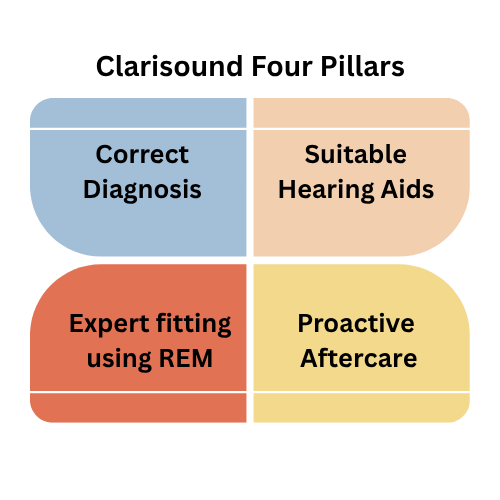
- P0Careful assessment of the type and degree of hearing loss
- Selection of suitable digital hearing aids from trusted brands like Signia and Rexton from WS Audiology, one of the world’s leading hearing aid manufacturers.
- Precise fitting using Real-Ear Measurement (REM) to verify that hearing aid output matches your prescriptive targets at the eardrum, taking into account your individual ear canal acoustics.
- Proactive aftercare fine-tuning, and counselling to help your brain adapt to amplified sound
While most people with hearing loss benefit from hearing aids, a small minority—typically those with severe to profound loss and very limited speech understanding—may require alternative solutions such as cochlear implants., which bypass the damaged cochlea and stimulate the auditory nerve directly.
At Clarisound, we:
- Use modern, discreet, Bluetooth-enabled and rechargeable hearing aids tailored to each customer’s lifestyle
- Offer tinnitus management strategies and programming to help soften the impact of ringing in the ears
- Provide lifetime follow-up, cleaning, and adjustments as part of your long-term hearing care
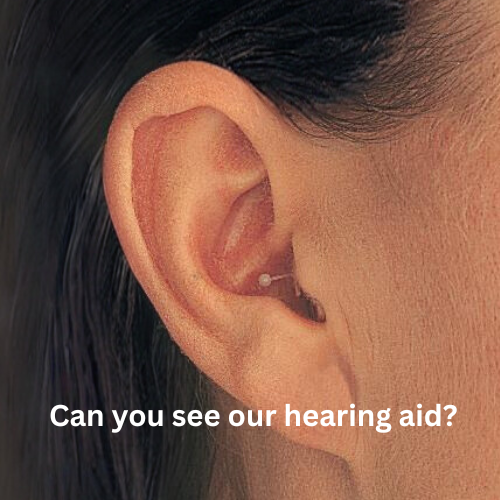
Our goal is never just to make things louder. We focus on improving speech clarity in real Malaysian environments—understanding your grandchildren at family dinners, following conversations at prayer gatherings, and reconnecting with the sounds that matter most to you.
Mixed Hearing Loss: When Both Types Occur Together
Mixed hearing loss means having both a sensorineural component (inner ear or nerve damage) and a conductive component (outer or middle ear problem) at the same time. It’s more common than many people realise, particularly among older adults.
Common examples include:
- An older adult with long-standing age-related sensorineural loss who develops middle ear fluid or earwax blockage
- Someone with otosclerosis (middle ear bone problem) who also has noise-induced damage to the inner ear
- A person with chronic otitis media may develop long-term hearing loss. While this is usually conductive, repeated or severe infections can sometimes lead to a sensorineural component, resulting in mixed hearing loss.
During hearing assessment, mixed loss typically shows both reduced bone conduction thresholds (indicating sensorineural damage) and an air bone gap (indicating an additional conductive problem) on the audiogram.
Treatment approach for mixed hearing loss:
- Medical assessment and management of the conductive component
Where appropriate, underlying middle or outer ear conditions may be treated by a GP or ENT specialist. - Hearing solutions for the remaining hearing loss
Hearing aids or assistive devices can be used to support both the sensorineural component and any residual conductive element, with settings tailored to your hearing profile. - Coordinated care between ENT specialists and hearing care professionals
Mixed hearing loss can be complex, which is why personalised assessment and follow-up with a comprehensive hearing rehabilitation plan are essential. There’s no one-size-fits-all solution.
How Audiologists Tell Conductive and Sensorineural Hearing Loss Apart
Guessing based on symptoms alone simply isn’t reliable. Many people assume they know what’s wrong, but proper diagnostic tests are needed to confirm the type of hearing loss and guide appropriate treatment.
A comprehensive clinical hearing assessment includes several components:
Detailed case history:
- When did you first notice trouble hearing?
- Has hearing loss progressed gradually or suddenly?
- Any noise exposure at work or during hobbies?
- Medical history, medications, family history of hearing problems
- Associated symptoms like ear pain, dizziness, or tinnitus
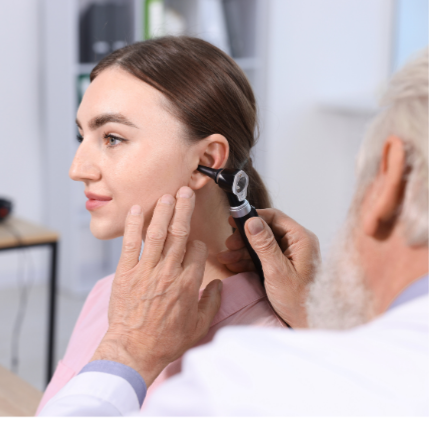
Otoscopic examination:
- Visual inspection of the external auditory canal and eardrum
- Looking for earwax, infection, perforations, or abnormalities
- Checking the patient’s ear for any visible problems
Pure tone audiometry:
- Measure air conduction thresholds through headphones (entire hearing pathway)
- Measure bone conduction thresholds using a vibrator behind the ear (bypassing outer and middle ear)
- Compare both to identify where the hearing problem occurs

Understanding audiogram patterns:
| Type of Loss | Air Conduction | Bone Conduction | Air-Bone Gap |
|---|---|---|---|
| Conductive | Reduced | Normal or near-normal | Present (significant gap) |
| Sensorineural | Reduced | Reduced to same level | Absent (no significant gap) |
| Mixed | Reduced | Reduced (but better than air) | Present |
In special cases—such as sudden hearing loss, asymmetrical hearing between ears, or suspected acoustic neuroma—ENT doctors may order additional tests such as MRI or auditory brainstem response (ABR) testing. We refer promptly when red flags are present.
At Clarisound, all hearing tests are performed or supervised by MAHPC-registered audiologists, not sales staff. We explain results in clear, everyday language so you understand exactly what’s happening with your hearing.
Why the Type of Hearing Loss Matters for Your Treatment Options
The same symptoms—turning up the TV, asking people to repeat themselves—can stem from very different underlying problems. Making assumptions without proper diagnosis can delay effective care for months or even years.
Treatment pathways differ significantly:
| Type | Primary Treatment Approach |
|---|---|
| Conductive | Medical assessment to identify the cause; some conditions may be treated medically. Hearing aids can be an effective, non-invasive option when the condition is ongoing or not fully correctable |
| Sensorineural | Mainly managed with hearing aids and long-term rehabilitation; early fitting helps the brain adapt |
| Mixed | Combination approach coordinated between ENT and audiology |
Knowing your exact type and degree of hearing loss allows us to:
- Set realistic expectations about what can and cannot be improved
- Choose the most suitable hearing aid technology—open-fit versus custom moulds, directional microphones, advanced noise management features
- Plan follow-up schedules and hearing protection strategies to prevent further deterioration
- Coordinate with medical specialists when surgical intervention could help
The consequences of untreated hearing loss are real:
- Increased listening effort, fatigue, and frustration
- Withdrawal from conversations, family activities, and social events
- Higher risk of cognitive decline and depression in older adults, supported by international research
- Strain on relationships with loved ones
Getting a proper diagnosis isn’t about “signing up for a hearing aid.” It’s about understanding what’s happening and what can be done, step by step. Many conductive problems are treatable without devices. For sensorineural loss, early intervention with proper hearing impairment management leads to better outcomes.
Getting the Right Diagnosis and Care at Clarisound
Many customers tell us they weren’t sure what to expect before their first visit. Here’s what typically happens when you viist us in Malaysia:
Your first visit:
- Warm welcome and registration at one of our centres
- A conversation about your hearing concerns—we encourage family members to join the consultation if possible
- Comprehensive hearing assessment with our certified audiologists
- Discussion of your lifestyle, communication needs, and any particular listening situations that challenge you
Understanding your results together:
- We review your audiogram with you, using it as a visual tool
- Clear explanation of whether your loss is conductive, sensorineural, or mixed
- Discussion of what this means for your day-to-day life
- Honest conversation about whether medical referral to a GP or ENT is needed first
When hearing aids are appropriate:
- Selection of suitable Signia or Rexton digital hearing aids based on your lifestyle—whether you’re a busy working professional, a retiree enjoying time at home, attending religious gatherings, or making frequent video calls
- Fitting using Real-Ear Measurement (REM) to match device output precisely to your ear canal and hearing prescription
- Coaching on use, cleaning, smartphone connectivity for Bluetooth models, and realistic adjustment timelines
- Discussion of treatment options suited to your needs and preferences
Additional services we provide:
- Free initial hearing test and no-obligation consultation for adults considering help
- Tele-audiology and mobile services where appropriate, supporting those with mobility or location constraints
- Lifetime aftercare: regular follow-ups, reprogramming, performance checks, and counselling for both you and your family
Our audiologists are non-commissioned, meaning their advice is 100% focused on your needs, not on sales targets. We’re independently owned and operated, which gives us the freedom to select partners based on quality and value rather than commercial arrangements.
If you’re unsure whether your hearing issue is conductive, sensorineural, or mixed, we’re here to help you find out. Book a free hearing test or chat with an audiologist at Clarisound—there’s no pressure, no obligation, just clear answers and professional guidance.

FAQs: Conductive vs Sensorineural Hearing Loss
Can conductive hearing loss turn into sensorineural hearing loss over time?
Most simple conductive problems—like earwax impaction or short-term middle ear fluid—do not directly “turn into” sensorineural loss once properly treated. However, repeated severe infections, chronic middle ear disease, or conditions left untreated for extended periods can sometimes damage the inner ear structures, creating an additional sensorineural component. This results in mixed hearing loss. The key takeaway is that early medical treatment of ear disease and regular hearing checks help prevent this progression.
If I only have trouble hearing in noisy places, is that sensorineural hearing loss?
Difficulty understanding speech in noisy environments like kopitiams or family gatherings is indeed a classic sign of sensorineural hearing loss, particularly age-related or noise-induced types. However, other factors such as attention, fatigue, or even temporary ear blockage can also affect hearing in noise. The only way to know for certain is through a comprehensive hearing assessment. We encourage anyone in Malaysia experiencing this to schedule a free test with us for a clear, professional answer.
Will hearing aids fix my hearing back to “normal” if I have sensorineural loss?
We believe in realistic expectations. Hearing aids cannot restore damaged inner ear hair cells or reverse permanent sensorineural hearing loss, so your hearing won’t be exactly as it was at age 20. However, modern digital hearing aids can significantly improve speech clarity, comfort, and your ability to participate fully in conversations. The key is correct fitting using Real-Ear Measurement and ongoing fine-tuning. Our focus is on realistic, meaningful improvements—like hearing better at family dinners, following phone conversations, and staying connected with loved ones.
How often should I have my hearing checked if I work in a noisy environment?
Adults exposed to loud noise at work—in factories, construction sites, transport, or entertainment venues—should have a baseline hearing test and then repeat testing at least once a year, or more frequently if any changes are noticed. Even if hearing thresholds seem stable, annual monitoring helps detect early signs of noise induced hearing loss before it becomes significant. We also provide guidance on proper ear protection and safe listening habits to help reduce your risk of hearing loss progressing.
My elderly parent refuses hearing aids. Is it still worth doing a hearing test?
Absolutely, and this is something we hear often from adult children. A hearing test is valuable regardless of whether your parent is ready for hearing aids. It helps the whole family understand whether the hearing loss is conductive, sensorineural, or mixed; whether any medical referral is needed; and how severe the problem actually is. Sometimes, seeing the audiogram and hearing a clear, professional explanation gently helps older adults accept support when they’re ready. We take a no-pressure approach, and our consultations are designed to inform and empower—never to push. You and your parent are both welcome to attend a no-obligation consultation together.