
(Clarisound’s Guide for Modern Hearing Solutions in Malaysia)
Introduction
Clarisound is a trusted hearing aid retailer in Malaysia. For years, they’ve helped people rediscover clear and vibrant sounds. Today, new developments like small hearing aids with Bluetooth make managing hearing loss easier. These tiny devices let you stream calls and music straight to your ears—no bulky add-ons or tangled wires. They also come in rechargeable options, so you can say goodbye to constantly swapping batteries. Aid manufacturers have played a crucial role in developing Bluetooth-compatible devices, enhancing connectivity and sound quality in hearing aids.
In this article, we’ll explore these tiny tech marvels and see how they’re changing the hearing aid industry. We’ll talk about how they work, which brands stand out, how much they cost in Malaysia, and how you can pick the best one for your needs. By the end, you’ll know the basics of modern hearing aids—especially those with Bluetooth—and why they matter. Bluetooth hearing aids have evolved to enhance connectivity with various audio devices, including smartphones and TV systems, making them more convenient than ever.
What Makes “Small Hearing Aids with Bluetooth” So Special?
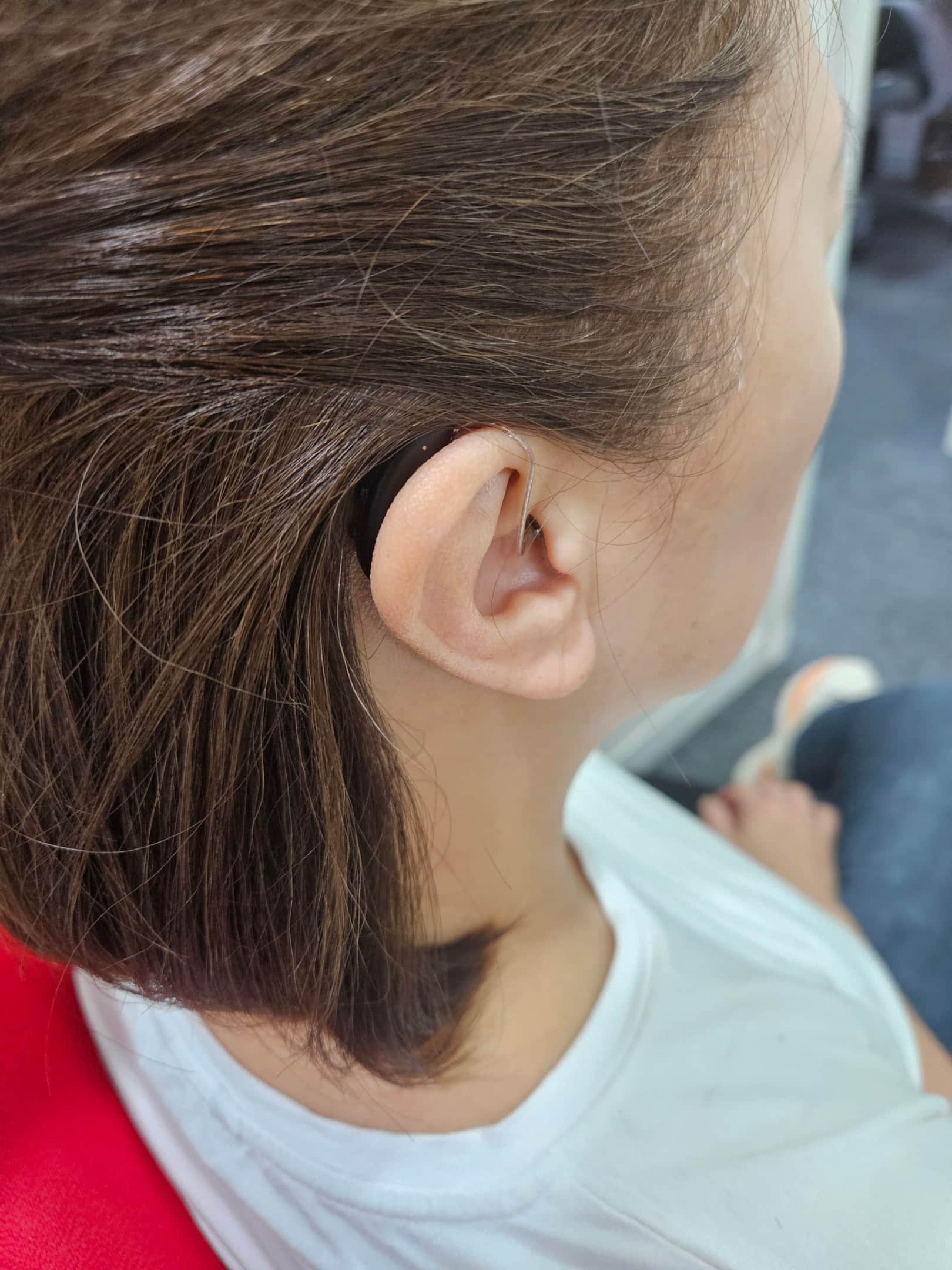
Definition of Bluetooth Hearing Aids Bluetooth hearing aids are digital hearing aids that use wireless technology to link up with phones, TVs, and other devices. They can connect wirelessly, so you don’t need extra wires or gadgets to enjoy direct streaming. When you see the phrase “small hearing aids with Bluetooth,” it means you get both a discreet design and the convenience of high-tech connectivity. These hearing aids can function as a Bluetooth device, connecting directly to any mobile phone with Bluetooth capabilities for an improved audio experience.

Traditional hearing aids used to be bigger and often required extra streamers or adapters. Modern ones can connect directly to iOS devices, Android devices, or even TVs using wireless earbuds style technology. This makes them more flexible for different types of users. Additionally, these hearing aids connect seamlessly with compatible devices, such as Android-compatible phones and other devices utilizing Auracast technology, enhancing the overall user experience.
Benefits at a Glance
- Direct Streaming: Calls, music, or podcasts can stream audio directly from your phone or tablet to your hearing aids.
- Remote Adjustments: Use an app for remote control—tweak volume, switch settings, or turn on noise reduction without visiting a clinic.
- Hands-Free Calls: Keep your phone in your bag while you talk—great for staying safe on the road or cooking in the kitchen.
- Better Sound Quality: Modern aids reduce annoying background noises in noisy environments, so you hear speech better.
- Rechargeable Options: Many rechargeable hearing aids come with lithium-ion batteries, saving money on replacements over time.
- Seamless Connectivity: Bluetooth technology enables multiple electronic devices to connect and interact seamlessly, allowing for remote adjustments and professional assistance through mobile apps.
A Quick Look Back—History and Evolution of Hearing Aids
Early Beginnings Hearing aids have evolved from rudimentary ear trumpets of the 17th century—passive devices that funneled sound—into sophisticated digital marvels. The 19th century introduced carbon-based and vacuum tube hearing aids, amplifying sound electrically. Over time, hearing devices have incorporated innovative features and technological advancements, such as Bluetooth connectivity and health monitoring, setting them apart from standard offerings.
Modern Breakthroughs The mid-20th century saw transistor-based models, making devices smaller and more efficient. The late 20th and early 21st centuries ushered in digital signal processing, enabling noise reduction and directional microphones.
Today’s hearing aids integrate Bluetooth, real-time sound adjustments, and even brainwave-based enhancements, transforming them from simple amplifiers into smart, adaptive auditory companions. Bluetooth technology is a huge leap for hearing aid wearers. Instead of plugging into devices, you can connect wirelessly. Now, you can handle phone calls, music, and even video chats through your hearing aids.
Recent Advancements
- Bluetooth Low Energy: Extends battery life and stabilizes connections.
- Auracast : Supports multiple gadget connections and consistent audio signals. In March 2025, Sydney Opera House became the first cultural venue in the world to introduce Auracast™ broadcast audio to deliver superior sound experience for hearing aid wearers.
- Signia with BCT (Bluetooth Connectivity Transformed): Signia has introduced very small hearing aids with a specialized chip that offers long runtime and direct Bluetooth streaming.
Taking a hearing test is crucial for identifying hearing loss early and ensuring you get the most out of these advanced hearing devices. Engaging with local hearing care professionals or utilizing online hearing tests can significantly improve your hearing health.

These upgrades address many struggles people used to have—like short battery life, static connections, or limited streaming features.
Types of Bluetooth Hearing Aids & Key Features
Choosing the right Bluetooth hearing aids can be easier if you know your main needs—like sound quality, battery type, and phone compatibility. The best hearing aids often feature advanced Bluetooth connectivity, making them ideal for various user needs. Below are some major categories and features.
- Made-for-iPhone (MFi): Some hearing aids connect directly to iPhones.
- ASHA: Some hearing aids are tailored to work seamlessly with Android phones running Android 11 or higher. However, as ASHA is run via an app, please check that your Android phone has access to Google Play Store.
- Universal Models: Compatible with most Bluetooth enabled devices, helpful if you switch phones often.
- Rechargeable: Offers built-in, convenient power solutions.
Rexton and Signia hearing aids support both MFi (Made for iPhone) and ASHA (Audio Streaming for Hearing Aids), allowing seamless audio streaming on both Apple and Android devices. MFi uses a special low-power Bluetooth connection designed by Apple, enabling direct streaming of calls, music, and notifications to iPhones without extra accessories. ASHA, developed by Google, uses Bluetooth Low Energy (BLE) to provide a similar experience for compatible Android phones while preserving battery life.
Emerging Tech – Auracast-Compatible Hearing Aids
Multiple Connections: Auracast lets you pair with many sources (e.g., phone, TV, laptop).
Stable Audio Streaming: Auracast facilitates direct audio signal streaming from various public sources, such as TVs in a bar or announcements in an airport. Reduces dropouts even in crowded or noisy environments.
Great for Busy Users: Ideal if you juggle calls, movies, and music from different devices.
The introduction of LE Audio in our devices ensures reliable audio streaming, improved sound quality, and seamless integration with a range of devices, enhancing user experience and future-proofing our products.
How Bluetooth Hearing Aids Work
Wireless connectivity can sound fancy, but it’s easier than you think. The role of transmission power in enhancing connectivity is crucial, as it ensures stable connections over long distances, contributing to superior audio quality.
Bluetooth Streaming vs. Wireless Adjustments
When it comes to choosing a Bluetooth device for your hearing aids, understanding the difference between Bluetooth streaming and wireless adjustments is essential.
- Bluetooth Streaming: This feature allows your hearing aids to connect directly to your smartphone, TV, or computer, enabling you to stream sound seamlessly. This evolution in hearing technology means you can enjoy music and other audio without needing additional accessories, enhancing your overall listening experience.
- Wireless Adjustments: This feature allows you to adjust your hearing aids remotely using an app on your smartphone.
Bluetooth Streaming vs. Wireless Adjustments
- Bluetooth Streaming: When you watch a video on your phone, the audio can go straight to your hearing aids—no cables needed. This includes hands free calling, so you can talk without holding your phone.
- Wireless Adjustments: An app on your phone lets you fine-tune the devices. You can raise or lower volume, switch to a noisy-environment mode, or adjust other settings.
Pairing and Frequency Hopping
- Turn on Bluetooth on your mobile phone, TV, or other mobile devices.
- Look for your hearing aids in the Bluetooth menu, then select them.
Once paired, your devices use frequency hopping, which means they jump between different channels. This prevents interference so that hearing aids connect smoothly and you don’t lose signal.
Battery Life & Efficiency
- Rechargeable Hearing Aids: Often powered by lithium-ion batteries, they can hold a charge for a full day.
- Bluetooth Low Energy: Makes streaming more battery-friendly. The future potential of more hearing aids equipped with Bluetooth Low Energy technology promises improved audio quality and user-friendliness.
- Bluetooth Connectivity Transformed (BCT): Some brands, like Signia, have improved chipsets to extend battery runtime and simplify pairing.
Top “Small Hearing Aids with Bluetooth” in 2025

- Signia: Winner of Best of Innovation honoree in the 2024 CES Innovation Awards and BIG Innovation 2024, Signia offers solutions like the Signia Active Pro, an earbud-style aid that merges style with function. Ideal for mild to moderate hearing loss, these devices look like trendy wireless earbuds and deliver great sound quality. They also have the BCT chip for strong battery life and excellent streaming
- Rexton: Known for durability and user-friendly features. They also connect to both iPhone and Android. Rexton’s designs handle annoying background noises well, helping you focus on voices in busy places.
Sound Quality
Improving Sound Quality with a Hearing Aid
Sound quality is a crucial aspect of Bluetooth hearing aids, significantly enhancing the overall listening experience. These advanced devices use cutting-edge sound processing technologies to deliver clear and crisp audio. With Bluetooth hearing aids, you can stream audio directly from various devices, such as smartphones, TVs, and computers, ensuring high-quality sound without the need for intermediate gadgets.
One of the standout features of Bluetooth hearing aids is their direct streaming capability. This allows users to enjoy music, podcasts, and phone calls with exceptional sound quality. Additionally, many Bluetooth hearing aids come equipped with noise reduction and feedback cancellation features. These technologies help to minimize background noise and improve speech understanding, making conversations clearer and more enjoyable.
To improve sound quality with a hearing aid, it’s essential to choose a device that suits your specific hearing needs. A local hearing care professional can help you select the best Bluetooth hearing aid for your hearing loss. They will assess your hearing and recommend a device that provides the best sound quality and connectivity options. Some Bluetooth hearing aids also come with adjustable sound settings, allowing users to customize their listening experience. Furthermore, regular maintenance and cleaning of the hearing aid can help to ensure optimal sound quality.
Comfort
Comfort and Hearing Aids
Comfort is a vital factor to consider when selecting a Bluetooth hearing aid. A comfortable device can significantly improve the overall wearing experience, making it easier to wear the hearing aid throughout the day. Bluetooth hearing aids come in various styles, including behind-the-ear, receiver-in-canal, and completely-in-canal models. Each style has its unique features and benefits, and a local hearing care professional can help you choose the most comfortable option for your needs.
When it comes to comfort and hearing aids, there are several factors to consider. The size and weight of the device can affect comfort, as well as the material and design. Some Bluetooth hearing aids are designed with hypoallergenic materials, which can help to minimize skin irritation and discomfort. Additionally, many Bluetooth hearing aids are designed with ergonomic features, such as soft ear tips and adjustable headbands, to ensure a secure and comfortable fit.
Furthermore, the device’s battery life and charging options can also impact comfort. A device with a long battery life can reduce the need for frequent recharging, making it more convenient to use. A local hearing care professional can help you find a Bluetooth hearing aid that balances comfort and functionality, ensuring you get the best possible experience.
Style
Hearing Aid Styles
Style is an essential aspect of Bluetooth hearing aids, as a device that looks and feels good can boost confidence and self-esteem. Hearing aid styles have evolved significantly over the years, and there are now many stylish and discreet options available. Bluetooth hearing aids come in various colors, shapes, and sizes, allowing users to choose a device that suits their personal style. Some devices are designed to be virtually invisible, while others are more prominent and fashionable.
There are several hearing aid styles available, each with its unique features and benefits. Behind-the-ear models are popular for their ease of use and adjustable settings. Receiver-in-canal models are discreet and comfortable, while completely-in-canal models are virtually invisible. Some Bluetooth hearing aids also come with rechargeable batteries, which can eliminate the need for disposable batteries. Additionally, many devices are designed with water-resistant and dust-resistant features, which can help to protect the device from environmental factors.
A local hearing care professional can help you find a Bluetooth hearing aid that meets your style and functionality needs. They can guide you through the various options and help you choose a device that not only improves your hearing but also complements your personal style.
Cost & Pricing in Malaysia
Many people wonder why hearing aids can be pricey. In Malaysia, the cost varies based on factors like brand, features, and local hearing care services.
Factors Influencing Price: The price difference between OTC devices and prescription hearing aids is significant, with OTC devices generally being more affordable but offering less sophistication and personalization.
Brand & Technology Level: While prescription hearing aids often come with advanced features like Bluetooth connectivity, the options for Bluetooth-integrated OTC hearing aids are currently limited.
Factors Influencing Price
- Brand & Technology Level: Advanced noise filters or direct streaming from multiple devices can increase costs. Additionally, hearing aids designed for individuals with significant hearing loss, such as Phonak’s Naída Lumity, often come with advanced features that can greatly enhance the quality of life but may also add to the overall cost.
- Rechargeable vs. Disposable Batteries: Paying a bit more up front for rechargeable hearing aids may save money over time since you skip constant battery replacements.
- Local Hearing Care Services: Successful hearing rehabilitation requires regular follow up with your audiologists. It is important to purchase your aids from a hearing aid center that is proactive in follow up care.
- Research & Development: Hearing aids use tiny components and specialized software, often backed by years of R&D. That investment can affect retail prices.
It’s wise to compare features, read customer reviews, and consult Clarisound, a professional hearing care professional to find the best hearing solution. Our customer, Mr Neoh Choo Kean has this to say,
“Having being professionally advised that I may need hearing aid to improve my hearing experience I did some research on various types and brands of hearing aids available in the market and then decided to check out on the Signia brand. This led me to Clarisound Professional Hearing Care, Penang. I did my hearing test there conducted by Hearing Care consultant Grace Lim. She was professional, and courteous and took time to patiently explain the results of the test and made helpful suggestions on the type of hearing aids that will be suitable for me. I decided after some careful consideration to go with Clarisound in August this year. Since then I have been back on several occasions to fine tune the hearing aid and I am very happy with the after sales service provided. I wish to commend Grace and her colleague Janelle for being always helpful, attentive, patient and courteous service rendered on every occasion of my follow-up visits. I would not hesitate to recommend Clarisound for its professional and excellent service.”
Frequently Asked Questions
What Are the Best Bluetooth Hearing Aids?
It depends on your lifestyle and hearing loss level. Some people need severe hearing loss coverage, while others just want a discreet boost for phone calls. The best bluetooth hearing aids balance sound quality and device compatibility. Top models can connect to several Bluetooth-enabled devices, allowing users to easily switch between different audio sources and enhancing the overall listening experience.
Why Buy a Bluetooth Hearing Aid?
They let you manage calls, music, and volume levels without cords. Hands free calls mean you can talk on the phone while cooking or driving. Many find it reduces listening effort in crowded areas, especially with advanced noise control.
Can I Connect My Hearing Aid to My TV?
Yes! Some devices allow direct bluetooth streaming from your TV. Bluetooth-enabled devices offer versatility by connecting to multiple devices, such as smartphones, TVs, and tablets, enhancing your overall hearing experience. If your TV doesn’t have Bluetooth, you can use an adapter. This way, you can hear dialogue clearly without blasting the volume which often create tensions among family members.
Are Bluetooth Hearing Aids Safe?
Yes. They use low-energy radio waves, similar to common Bluetooth devices like wireless earphones. Bluetooth hearing aids are designed to safely interact with other electronic devices, ensuring seamless and secure communication. Hearing care professionals approve them for daily use. If you have any health concerns, a quick chat with a local hearing care professional can put your mind at ease.
Tips & Tricks for Maximizing Your Hearing Experience
Using Hearing Aid Apps
Most brands provide an app for remote control. You can tweak volume, switch between programs (like “restaurant mode” or “quiet room”), and even track your battery life. Taking a hearing test is crucial to ensure your hearing aids are optimally configured to your specific needs.
Both Signia and Rexton offers 24/7 AI Assistant. This intelligent feature uses artificial intelligence to enhance hearing aid performance. It continuously analyzes the user’s environment and personal preferences, making real-time adjustments for better speech clarity, noise reduction, and overall comfort. Users can interact with the AI assistant through a smartphone app, receiving personalized sound settings, troubleshooting support, and adaptive learning for improved hearing experiences. This smart technology ensures a seamless, customized hearing experience without the need for manual adjustments.
Troubleshooting Common Issues
- Connection Dropouts: Turn your hearing aids off and on, or reset the Bluetooth on your phone. Ensuring optimal transmission power can help maintain stable connections and reduce dropouts.
- Battery Concerns: If you have rechargeable hearing aids, remember to charge them every night. If they use disposable batteries, keep spares on hand.
- Background Noise: Many hearing aids have noise reduction settings. Use the app or ask your audiologist to help you set up the right program.
Local Hearing Care in Malaysia
Finding a Local Hearing Care Professional

Proper fitting can make a huge difference in speech understanding. Clarisound, for example, offers hearing tests, follow-up care, and up for four years of “no quibble” warranty on premium hearing aids. They also guide you on the right devices for your hearing experience—from mild to profound hearing loss. Taking a hearing test is a proactive step in addressing hearing loss and ensuring you receive the most suitable care.
Importance of Follow-UpsYour hearing loss needs can change over time. Follow-ups help check whether your device settings are still ideal. Even small changes in your hearing might mean an update. By staying in touch with local experts, you’ll always have the right settings.

Conclusion
Recap the Key Takeaways
Small hearing aids with Bluetooth are game-changers in the hearing aid industry. They’re discreet, flexible, and can handle direct streaming from gadgets like phones and TVs. Plus, many are now rechargeable hearing aids, which simplifies everyday use. With advancements in more hearing aids equipped with Bluetooth Low Energy technology, users can enjoy improved audio quality and seamless connectivity with modern smartphones.
Final Thoughts
Whether you love listening to music, taking clear phone calls, or simply chatting with loved ones, these tiny tech marvels make life easier. While OTC devices may be more affordable, they often lack advanced features like Bluetooth and streaming capabilities compared to prescription hearing aids. Clarisound in Malaysia can help you pick a solution that fits your style—whether that’s invisible hearing aids, earbud-style, or a device for severe hearing loss.
Next Step
Which Bluetooth-enabled hearing aid feature matters most to you, and how could it make your daily life better?
Before diving into the features of Bluetooth-enabled hearing aids, it’s important to start with a proper hearing assessment. An online hearing test can be a convenient first step, allowing you to evaluate your hearing from the comfort of your home. This can help you understand your hearing needs and make an informed decision about the features that will benefit you the most.
References & Helpful Links
- Clarisound Hearing Care (Malaysia)
- Malaysian Ministry of Health – Hearing Health
- World Health Organization – Hearing Loss Facts
- (These resources offer additional insights into hearing care, local services, and general health guidelines.)