
Hearing loss (hearing thresholds >20 dB HL) is a widespread condition; 21.5% (Haile et al. Citation2021) of the Malaysia population have some degree of hearing loss. Hearing loss can affect everyone. Over 1 billion young adults are at risk of hearing damage from unsafe listening habits and hearing also deteriorates with age with more than 25% of those over 60 have trouble hearing. In addition to the prevalence of hearing loss, many individuals remain unaware of the various solutions available to improve their hearing. To assist those affected, resources such as ‘hearing aid types explained‘ can provide valuable information on the different options tailored to individual needs. Seeking professional guidance can help identify the most suitable hearing aids and strategies to enhance communication and overall quality of life.
There are three main types of hearing loss: sensorineural hearing loss, conductive hearing loss, and mixed hearing loss.
Sensorineural hearing loss (SNHL) is the cause of over 90% of hearing loss cases in adults that result from damage to the hair cells in the inner ear or the auditory nerves. SNHL can be categorized as acquired, sudden, or congenital
SNHL can be caused by ageing or prolonged exposure to loud noises or unsafe listening practice. Listening to sounds over 80 decibels (dB) for 40 hours a week on personal devices is considered unsafe. Additionally, regularly attending loud entertainment venues at least once a month also falls into the unsafe listening category.
Sudden SNHL can occur unexpectedly and may be caused by factors such as infection, head trauma, or other medical conditions.
Approximately 0.1 – 0.3% of people have a genetic predisposition toward hearing loss, leading to congenital SNHL.
Difficulty understanding speech, needing to increase the volume of the TV or radio, and experiencing a ringing sound in the ears known as tinnitus.
What You Can Do – SNHL is often permanent and can be successfully managed with hearing aids or cochlear implants for more severe cases. Please contact Clarisound for a Free Hearing Test and Consultation.

Conductive hearing loss occurs when there is a problem with the ear canal or middle ear, preventing sound waves from being conducted to the inner ear. This type of hearing loss can be due to earwax build up, ear infections, and abnormalities of the ossicles, the small bones in the middle ear.
What You Can Do : Conductive hearing loss can often be treated with medical or surgical interventions, such as removing earwax, treating infections, or repairing structural issues. It is recommendation that you consult an ENT specialist.
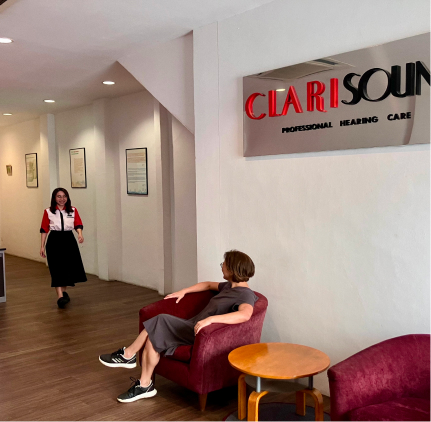
Mixed hearing loss is a combination of sensorineural and conductive hearing loss. This type of hearing loss occurs when there is damage to both the inner ear and the middle ear. Factors such as age, exposure to loud noise, and certain medical conditions can contribute to mixed hearing loss.
What You Can Do – Treatment for mixed hearing loss depends on the underlying causes and may involve a combination of medical and surgical interventions. In some cases, hearing aids or other assistive listening devices may also be recommended to help manage the condition effectively. Please contact Clarisound for a Free Hearing Test and Consultation.
There are several specialized hearing loss conditions that can affect individuals, each with unique characteristics and treatment options:
Sudden hearing loss, also known as sudden sensorineural hearing loss (SSNHL), is a condition where a person experiences a rapid and significant loss of hearing in one or both ears. This can be caused by various factors, including viral infections, head trauma, or exposure to loud sounds. Sudden hearing loss is considered a medical emergency, and prompt treatment is essential to prevent permanent damage. Treatment options for sudden hearing loss may include corticosteroids, antiviral medications, or other medications to reduce inflammation and promote healing. Early intervention can significantly improve the chances of recovery and minimize long-term hearing impairment.
Sudden hearing loss, also known as sudden sensorineural hearing loss (SSNHL), is a condition where a person experiences a rapid and significant loss of hearing in one or both ears. This can be caused by various factors, including viral infections, head trauma, or exposure to loud sounds. Sudden hearing loss is considered a medical emergency, and prompt treatment is essential to prevent permanent damage. Treatment options for sudden hearing loss may include corticosteroids, antiviral medications, or other medications to reduce inflammation and promote healing. Early intervention can significantly improve the chances of recovery and minimize long-term hearing impairment.
Sudden hearing loss, also known as sudden sensorineural hearing loss (SSNHL), is a condition where a person experiences a rapid and significant loss of hearing in one or both ears. This can be caused by various factors, including viral infections, head trauma, or exposure to loud sounds. Sudden hearing loss is considered a medical emergency, and prompt treatment is essential to prevent permanent damage. Treatment options for sudden hearing loss may include corticosteroids, antiviral medications, or other medications to reduce inflammation and promote healing. Early intervention can significantly improve the chances of recovery and minimize long-term hearing impairment.
By understanding these specialized hearing loss conditions, individuals can seek appropriate treatment and support to manage their hearing loss effectively.

Several risk factors can increase the likelihood of developing hearing loss:



Don’t let hearing loss hold you back. Take the first step towards better hearing today.
Struggling to keep up with conversations or missing out on everyday sounds? Clarisound is here to help you rediscover the world of sounds. Our goal is to enhance your hearing experience, fostering clearer communication, richer interactions, and a renewed connection to the world around you.
Experiencing tinnitus or buzzing in ears can be distressing, Book a consultation to explore ways to better manage this condition.
Constantly adjusting volume? Our technology restores your hearing to natural levels, eliminating discomfort.
Difficulty understanding speech - struggling to comprehend spoken words.
Hearing difficulties lead to stress. Our personalized care and solutions help you enjoy interactions without strain.
Mishearing words can leave you feeling lost and frustrated. Our expert audiologists can help empower you to reconnect with your loved ones.
Boost your confidence in social situations. Our precise solutions will enhance your quality of life.
