
bnnr-shape

Tinnitus Management

Effective Tinnitus Treatment

Options for Long-Term Relief

A person in a gray suit holds glasses, looking thoughtfully into the distance. The background is blurred, giving focus to the individual's contemplative expression and the glasses in hand.
Understanding Tinnitus

Tinnitus and Its Symptoms

  • Tinnitus is the perception of sound that does not have an external source, so other people cannot hear it. Surveys estimate that 10% to 25% of adults have it. Children can also have tinnitus.
  •  Subjective tinnitus – most tinnitus is subjective, i.e. perceiving sounds that only you can hear. 

  • Objective tinnitus – in rare cases, the sound pulsates rhythmically, often in time to your heartbeat. In these cases, a doctor may be able to hear the sounds with a stethoscope. Often, objective tinnitus has an identifiable cause and is treatable.
  •  Tinnitus may improve or even go away over time, but in some cases, it worsens. When tinnitus lasts for three months or longer, it is considered chronic.
  • The symptoms of tinnitus can vary from person to person. You may hear phantom sounds in one ear, both ears, and your head.
  • The phantom sound may ring, buzz, roar, whistle, hum, click, hiss, or squeal. The sound may be soft or loud and may be low or high pitched.
  • Tinnitus can be constant, pulsing, or intermittent, and may begin suddenly or progress gradually. Sometimes, moving your head, neck, or eyes, or touching certain parts of your body may produce tinnitus symptoms or temporarily change the quality of the perceived sound. This is called somatosensory tinnitus.
What creates the

Perception of Sounds in the Ears?

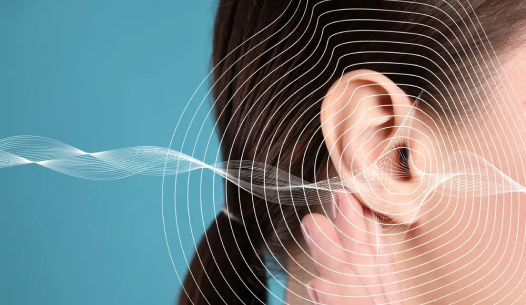
Close-up of a woman's ear with sound wave graphics overlay. The background is a solid blue, and the woman's hair is tied back, emphasizing the ear. The waves suggest sound or hearing concepts.

One leading theory is that tinnitus may occur when damage to the inner ear changes the signals transmitted by nerves to the areas of your brain responsible for processing sound.
Therefore, while tinnitus may seem to originate in your ear, the phantom sounds are actually generated by your brain, specifically in an area called the auditory cortex.
Close-up of a person wearing glasses, placing their hand near their ear, possibly listening carefully. The background is softly blurred, focusing attention on the ear and hand gesture.

Other evidence shows that abnormal interactions between the auditory cortex and other neural circuits may play a role in tinnitus.
The auditory cortex communicates with other parts of the brain, such as the parts that control attention and emotions, and studies have shown that some people with tinnitus have changes in these non-auditory brain regions.

Causes and Risk Factors

Causes of Tinnitus

Whilst the exact causes of tinnitus are not fully understood, it has been linked to the following
A man with gray hair appears to be in pain, closing his eyes and holding his ear. He is wearing a blue shirt and is positioned within concentric circles on a light blue background.
Noise Exposure

Many people experience tinnitus after being exposed to loud noises in a workplace setting or at a sporting event or concert.

Hearing Loss

Hearing loss, which can be caused by factors such as ageing or exposure to loud noises, is strongly associated with tinnitus.

Earwax or Ear Infection

Blockage of the ear canal by earwax or by fluid from an ear infection can trigger tinnitus.

Head or Neck Injuries

A head or neck injury can damage structure of the ear, the nerve that carries sound signals to the brain, or areas of the brain that process sound, causing tinnitus.

Medications

Tinnitus can be a side effect of taking certain medications, especially in high doses. Medications associated with tinnitus include non-steroidal anti-inflammatory drugs (e.g., ibuprofen, naproxen, and aspirin), certain antibiotics, anti-cancer drugs, anti-malaria medications, and antidepressants.

Less Common

Tinnitus Risk Factors

Ménière’s Disorder

An inner ear condition that can cause balance problems and hearing loss.

Jaw Joint Problems

The jaw joint near the ear can be damaged by jaw clenching or teeth grinding, potentially leading to tinnitus.

Tumor-Related Disorders

A vestibular schwannoma (acoustic neuroma) is a benign tumor on a nerve that leads from the inner ear to the brain. Acoustic neuromas and other head, neck, and brain tumors can cause tinnitus.

Blood Vessel Problems

High blood pressure, atherosclerosis, or malformations in blood vessels, especially if they are in or close to the ear, can alter blood flow and cause tinnitus.

Chronic Conditions

 Diabetes, migraines, thyroid disorders, anemia, and certain autoimmune disorders such as lupus and multiple sclerosis are among the chronic conditions that have been linked to tinnitus.

While there are many possible causes of tinnitus, some times the cause cannot be established.

Two elderly hands hold various colorful pills, with more scattered on a white surface. The image suggests themes of medication, health, or aging.
Risk Factors for Tinnitus
A person with shoulder-length brown hair is touching their ear and appears to be in discomfort. They are wearing a reddish-brown top, and their expression suggests they might be experiencing ear pain or distress. The background is blurred.
Impact of Tinnitus

However, some people find that it affects their mood and their ability to sleep or concentrate. In severe cases, tinnitus can lead to anxiety or depression.

Treatment Options for Tinnitus

What Treatments Can Help Tinnitus?

There are several ways to lessen the impact of tinnitus. Below are some of the treatments that have been recommend.

A person lies on a sofa with their head on a cushion, wearing headphones and a relaxed expression. They are holding a book on their lap. The room is softly lit, with a large window and a plant in the background.
Sound Therapies
arrow-down-scroll

Tinnitis Therapy

01

Behavioural Therapy

Counselling can improve your wellbeing by helping you reduce the impact of tinnitus on your life.

A person with long dark hair wearing a yellow and white striped shirt and blue jeans is sitting with knees up, holding their head with one hand. They appear thoughtful or concerned, indoors, with a blurred background.

Education about tinnitus reduces anxiety by clarifying it is rarely linked to serious health conditions. Counseling provides coping strategies and ways to prevent worsening symptoms, such as avoiding loud noise.

Cognitive Behavioral Therapy helps individuals identify and reframe negative thoughts, focusing on positive actions to reduce the impact of tinnitus. Studies show it improves the wellbeing of those affected by the condition.

Tinnitus Retraining Therapy (TRT) combines counseling and sound therapy to help individuals reclassify tinnitus as a neutral phenomenon and adapt to its presence. Devices worn in the ear emit low-level sounds, reducing symptoms and helping to enhance quality of life.

02

Tabletop or Smartphone Sound Generators

Sound generators, like tabletop devices or smartphone apps, play relaxing sounds (e.g., waves, rain) to aid sleep. They can be placed near your bed and be programmed to suit your preference. Mild tinnitus sufferers may also use radios or fans for similar benefits.

03

Hearing Aids 

A man with gray hair and a beard is holding a small black hearing aid between his fingers against a blue background. He is wearing a blue shirt and has a focused expression.

Hearing aids are a key treatment for tinnitus with hearing loss, amplifying external sounds to reduce tinnitus awareness and improve hearing. Around 60% see improvement, with 22% experiencing significant relief.

04

Wearable Sound Generators

Wearable sound generators, similar to hearing aids, emit soft sounds like white noise or nature sounds to mask tinnitus. Portable for all-day relief, they can be replaced by smartphone apps. A 2017 study found white noise more effective than nature sounds.

05

Combination Devices

A woman with long dark hair, wearing a white shirt and scarf, is holding a clipboard and pen, focused on writing. She is seated opposite an older couple, who are slightly blurred in the foreground. The setting appears calm and professional.

Combination devices, which fit into the ear like hearing aids, provide sound amplification and sound generation in one device. These devices are another option for treating tinnitus in people with hearing loss.

06

World's First - Signia Tinnitus Notch Therapy

Signia Tinnitus Notch Therapy offers a potentially permanent solution*. Pushing tinnitus into the background over time reduces overstimulation and trains the brain to ignore the sounds. Experience improved sleep and daily ease as this unobtrusive technology delivers lasting relief and a better quality of life in weeks or months.

According to the American Academy of Otolaryngology, hearing aids are an effective tinnitus treatment. Clarisound offers a proprietary therapy tailored to Signia hearing aids, which have been proven to manage tinnitus effectively. Studies show combining amplification with counseling leads to better results than counseling alone, making Clarisound’s approach highly effective for tinnitus relief.

*Source – Powers, L., dos Santos, G.M., & Jons, C. (2016, September). Notch Therapy: A new approach to tinnitus treatment. AudiologyOnline, Article 18365.

07

Medications

No specific medication treats tinnitus, but doctors may prescribe anti-depressants or anti-anxiety drugs to aid mood and sleep. Vitamins and supplements marketed as cures lack proven effectiveness.
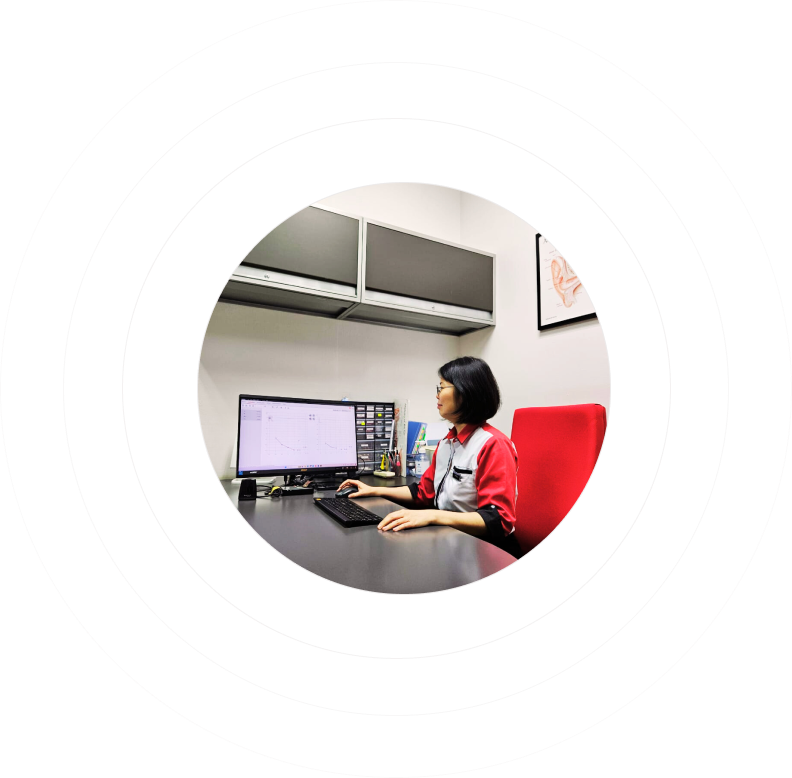

Clarisound Tinnitus Therapy Program Plan

A person sits at a desk in an office, using a computer. They wear a red shirt and have a focused expression. The desk has office supplies, and the wall has framed art. The image is surrounded by concentric black circles.
  • History taking
  • Audiological evaluation
  • Tinnitus Handicap Inventory Questionnaire
  • Tinnitus education
  • Increase stimulation of the cochlea and auditory cortex
  • Reduce the contrast between tinnitus & silence
  • Improve response to auditory stimulus
  • Sound Therapy
  • Traditional Habituation Approach offers various static therapy signals to choose from:
  • Signia Notch Therapy : Completely new form of tinnitus therapy designed to eliminate the ringing, rather  than simply masking it.
  • Concept: The goal is not to “drown out” tinnitus, but to teach the brain to ignore it completely. This approach targets and matches the frequency of tinnitus, reducing its amplification and relegating it to background noise, which makes it easier for the brain to disregard. 
  • Administration of the Tinnitus Handicap Inventory Questionnaire
  • Sound therapy devices, behavioral therapies, and medications can also help alleviate symptoms.
  • Several types of devices are used in sound therapy, including hearing aids and sound generators.
  • The recommended follow-up schedule includes appointments after the initial fitting at two weeks, one month, three months, six months, and one year.
  • If tinnitus has an underlying physiological cause, addressing that cause can significantly reduce or eliminate symptoms.

Lifestyle Changes and Prevention

An older woman in a beige blouse is smiling and sitting across from a healthcare professional in blue scrubs. They are engaged in conversation at a desk with a laptop and documents.

Preventing Tinnitus

  • Avoid exposure to loud noises, which can exacerbate tinnitus.
  • Avoid ignoring tinnitus symptoms, as they may be a sign of an underlying condition.
  • Avoid self-diagnosis and treatment, and seek professional help instead.
A man in a white shirt and glasses sits thoughtfully at a desk with a laptop and small potted plant. In the background, a group of five people in business attire engaged in conversation, holding notebooks and tablets.

Managing Hearing Loss

  • Hearing loss is a common cause of tinnitus.
  • Managing hearing loss through the use of hearing aids or other devices can help reduce tinnitus symptoms.
  • Regular hearing tests can help identify hearing loss and prevent tinnitus.

Conclusion


Although there is currently no cure for tinnitus, several effective treatment options can help manage the condition. Sound therapy, behavioral therapies, and medications may reduce symptoms and enhance your quality of life. Additionally, making lifestyle changes—such as avoiding loud noises and managing hearing loss—can aid in the prevention and management of tinnitus. With the right treatment and support, it is possible to find relief from tinnitus and improve overall wellbeing.