
A hearing test tells us what you can and cannot hear. Hearing-aid software gives the audiologist a starting point for programming.
But neither tells us exactly what the hearing aid is delivering inside your ear once it is fitted.
Real-Ear Measurement (REM) gives us that objective information.
At Clarisound, REM forms part of our hearing-aid fitting process. A thin probe tube measures sound close to the eardrum while the hearing aid is working, allowing the audiologist to verify the output against prescribed targets and make informed adjustments.
It is an important tool — but it is not the whole fitting.
Measurement tells us what the hearing aid is doing. Expertise determines what to do with that information.
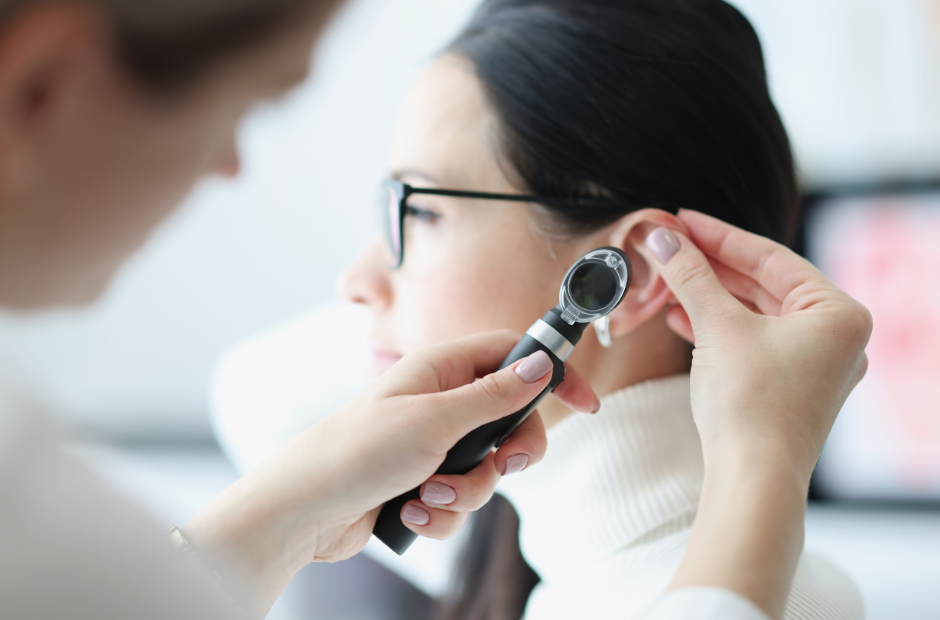
Every ear is acoustically different. Ear-canal size, shape and the way a hearing aid sits in the ear can affect the sound that ultimately reaches the eardrum.
That means the same software setting can produce different results for different people.
REM reduces that uncertainty by measuring the hearing aid’s output in the individual ear. It helps the audiologist check whether soft, conversational and louder sounds are being delivered appropriately and whether maximum output remains comfortable.
Instead of assuming what the hearing aid is delivering, we measure it.
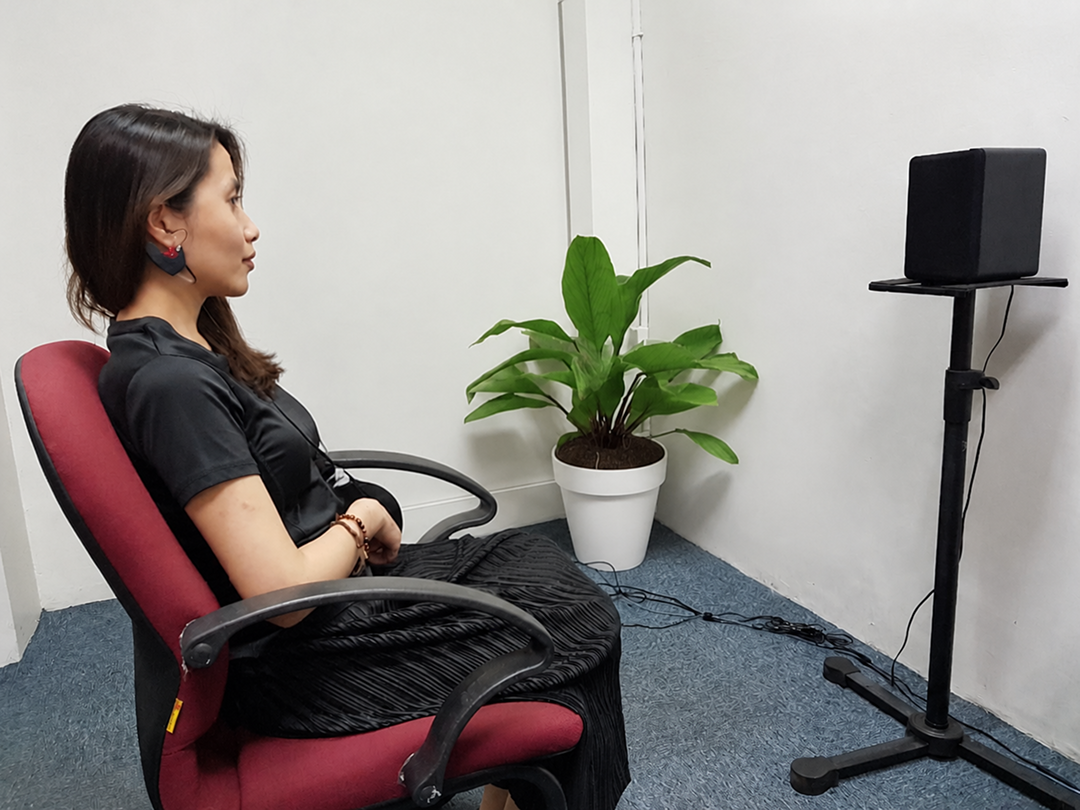
You sit facing a small loudspeaker. Your audiologist first checks your ears, then places a soft, very thin probe tube into the ear canal. The hearing aid is fitted alongside it.
Recorded speech or test sounds are played at different levels. The probe microphone measures the sound reaching your ear, while the fitting system displays how that response compares with the prescribed target.
Your audiologist can then adjust the hearing aid and measure again.
You do not have to press a button or judge the test sounds. The microphone is doing the measuring.
Once the objective verification is complete, the fitting returns to something equally important: conversation with you about how the hearing aids sound and how you are experiencing them.

Objective verification matters because it gives the audiologist a reliable reference point.
But people do not experience sound as graphs and targets.
One customer may find a particular sound too sharp. Another may prefer greater brightness because it helps speech feel clearer. Listening history, sound tolerance, previous hearing-aid experience and individual sound preferences all matter.
This is where the audiologist’s experience and judgement become important: knowing when to investigate a concern, how to balance audibility with comfort and how to make adjustments without losing sight of the underlying fitting goals.
A good fitting brings objective measurement and individual listening experience together.
Sometimes a hearing aid can be loud enough, but speech still doesn’t sound clear.
For example, a customer may hear someone speaking but struggle to tell similar-sounding words apart. Real-Ear Measurement can help the audiologist identify whether certain speech sounds are not being amplified enough — and adjust the hearing aid more precisely.
The result may be clearer speech without simply making everything louder.
REM can also help when sounds feel too loud, sharp or uncomfortable. Instead of relying only on trial and error, the audiologist has objective measurements to help understand what may need adjusting.

It is tempting to treat the presence of Real-Ear Measurement as a simple badge of a good hearing-aid fitting.
We don’t think it is that simple.
REM can tell an audiologist a great deal about what a hearing aid is delivering. It cannot decide which hearing aid is appropriate for you, understand which listening situations matter most, interpret every sound-quality concern or replace the judgement that comes from fitting and rehabilitating many different customers.
At Clarisound, we value REM precisely because it strengthens professional judgement — it does not replace it.
That is why Expert Fitting & Verification is one of the Clarisound Four Pillars of Hearing Rehabilitation, rather than a pillar called measurement alone.
Charmaine Tan brought her mother to Clarisound after hearing aids fitted elsewhere had been difficult to wear and frustrating to use.
Clarisound’s team conducted a new hearing assessment, reviewed the physical fitting and recalibrated the existing devices. They also coached her mother on technique on hearing aid insertion and using the technology confidently.
“The team was incredibly meticulous; she now hears with much greater clarity, and has regained her confidence”
— Charmaine Tan
Her experience is a useful reminder that good outcomes rarely come from one tool alone. Assessment, fitting, verification, coaching and professional judgement all had a role.

Real-Ear Measurement gives our audiologists objective information about what your hearing aids are delivering in your ears.
We then combine that information with professional judgement and what you tell us about listening in the real world.
Because a precise measurement is valuable. A well-judged fitting is what makes it useful.
