

Hearing is one of those things we rarely think about—until conversations start sounding muffled or we find ourselves asking “What did you say?” more often than we’d like. The reality is protecting your hearing early is far easier than managing the consequences once permanent hearing damage has taken place.
At Clarisound, we’ve spent over two decades helping Malaysians navigate their hearing health journey. We’ve seen first hand how simple, consistent habits can preserve hearing well into the golden years—and how early intervention makes all the difference when changes do occur. This guide walks you through practical strategies you can start using today, whether you’re concerned about your own hearing or helping a parent maintain theirs.
Answering Your Biggest Question: How Can I Protect My Hearing Right Now?
The most effective ways to protect your hearing come down to reducing exposure to loud sounds and giving your ears time to recover. Here are immediate steps you can take today:
- Keep your phone and music volume below 60%—If you can hear your music clearly without raising the volume in a quiet environment, it’s usually loud enough.
- Wear earplugs at concerts, weddings, and festive events where speakers are cranked up. Specialised earplugs can reduce harmful noise levels while still letting you enjoy the music.
- Avoid standing close to speakers at restaurants, kopitiam, or family gatherings. Even moving a few metres away can significantly reduce the intensity of sound reaching your ears.
- Take 10–15 minute listening breaks after spending time in noisy environments
- Choose seats away from the band or sound system at restaurants and events
- Use noise-cancelling headphones on public transport so you don’t need to turn volume up to compete with engine noise
- Limit prolonged time spent in very noisy areas like busy pasar malam or construction zones
Common Malaysian situations where hearing protection matters include loud family gatherings during Hari Raya or Chinese New Year, traffic noise during daily commutes, pasar malam with competing vendor sounds, busy kopitiam, religious events with amplified speakers, and gym classes with thumping music.
These small daily changes may seem minor, but they add up significantly over time. Each moment of reduced noise exposure helps preserve the delicate structures in your inner ear that cannot repair themselves once damaged.
If you already notice a ringing sound in your ears after loud events, find yourself turning the TV louder than others prefer, or have trouble hearing clearly in group conversations, these may be early signs worth investigating. We encourage you to book a free hearing test with our audiologists to get a clear picture of your current hearing health—no guesswork, no pressure.
Why Hearing Protection Matters for Every Age
We often take our hearing for granted—until we start missing words in conversations, especially when there’s so much noise around us. That moment when you can’t quite catch what your grandchild said at a family dinner, or when a colleague’s voice gets lost in a busy meeting room, is often the first sign that hearing health deserves more attention.
Understanding Noise Induced Hearing Loss
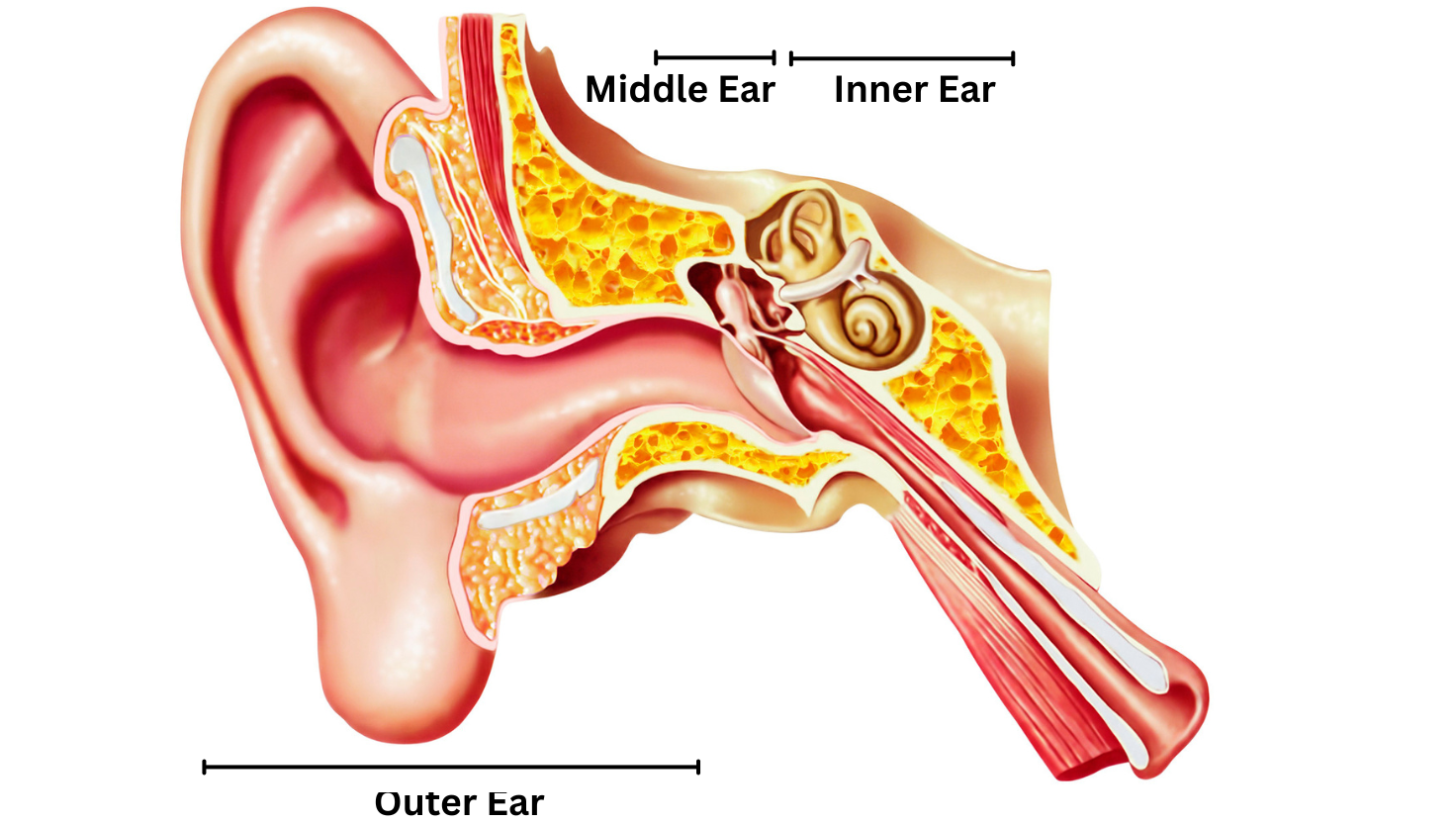
Noise induced hearing loss occurs when excessive noise damages the tiny hair cells inside your inner ear. These microscopic structures are responsible for converting sound waves into electrical signals your brain can interpret. Once damaged, they cannot regenerate—the hearing loss is permanent. The good news is that this type of hearing damage is largely preventable with the right habits and awareness.
The Numbers Tell a Sobering Story
The scale of hearing risk worldwide is significant:
| Statistic | Source |
|---|---|
| 1.1 billion young adults at risk from unsafe listening (music, nightlife) | WHO |
| 22 million workers exposed to hazardous noise annually | US occupational data |
| 1.5 million Malaysian workers affected by occupational noise | Local industry reports |
| 20–30% hearing impairment rates among veteran manufacturing workers | Malaysian sector data |
These aren’t just numbers—they represent real people facing daily communication challenges that affect hearing and quality of life.
How Untreated Hearing Loss Affects Daily Malaysian Life
The impact extends far beyond missing a few words:
- Family gatherings become exhausting rather than enjoyable when you’re straining to follow conversations
- Religious services at the mosque, temple, or church can become harder to engage with when you struggle to hear the prayers, chanting, or spoken messages clearly.
- Work meetings become stressful when you’re unsure if you have captured all the important details
- Kopitiam catch-ups with friends can feel unexpectedly isolating when background chatter makes it difficult to hear the person across from you.

Many of our customers describe feeling frustrated, socially withdrawn, or worried about becoming a burden to their families. These emotional effects are real and valid—and they’re precisely why early protection and rehabilitation matter so much. We believe that hearing care is about more than devices; it’s about maintaining connection, confidence, and quality of life throughout your years.
Prevention Is Better Than Treatment
The principle behind hearing protection is straightforward: reduce prolonged exposure to loud noises before they cause permanent damage. Understanding a few key concepts helps you make smarter choices every day.
Sound is measured in decibels, and generally, exposure to sounds above 85 dB over prolonged periods begins to pose risk. The relationship between volume and safe exposure time is dramatic—every 3 dB increase cuts your safe listening time in half. This means that at 88 dB, you might have 4 hours of safe exposure, while at 120 dB (common at rock concerts or clubs), you may have only minutes before risk begins accumulating.

Here are practical rules of thumb:
- If you need to raise your voice to talk to someone at arm’s length, the environment is likely too loud
- If your ears feel full or ring after an event, they’ve been overexposed
- If you notice temporary hearing loss (sounds seem muffled for hours or days after noise exposure), damage is occurring
The challenge is that loud sounds do not always cause immediate discomfort. Hearing damage can develop gradually over many years without obvious warning signs. A young person who regularly attends concerts or sporting events without ear protection may feel perfectly fine at the time—but the cumulative impact can surface much later in life.
This risk is more common than many people realise. The World Health Organization estimates that more than 1 billion young people worldwide are at risk of hearing loss due to unsafe listening habits, including exposure to loud music and recreational noise.
In other words, hearing damage rarely happens all at once. It often builds slowly—like tiny drops of water filling a bucket over time—until the effects eventually become noticeable.
For parents, teaching children and teens about safe listening with personal audio devices and headphones is an investment in their long term hearing health. The habits they form now will protect your ears—and theirs—for life.
Strategy 1: Managing Noise Exposure in Daily Life
The first strategy to protect your hearing focuses on awareness and smart choices about the noise levels you encounter daily.
Practical Steps for Everyday Situations
| Situation | Risk Level | Simple Protection |
|---|---|---|
| Busy traffic in KL | Moderate (80–85 dB) | Limit exposure time, roll up car windows |
| Pasar malam | Moderate to High | Take regular breaks to quieter areas |
| Wedding with live band | High (95–110 dB) | Wear earplugs, position away from speakers |
| Using lawn mowers or power tools | High (95–100 dB) | Always wear hearing protection |
| Fireworks shows | Very High (140+ dB) | Use foam earplugs or earmuffs, maintain distance |
When using earbuds or headphones for music, commuting, or work calls, the 60/60 guideline is helpful: listen at no more than 60% of maximum volume for no more than 60 minutes at a time. Built-in volume limiters on modern devices can help enforce this automatically.

Signs your headphones are too loud:
- Others nearby can hear your music clearly
- Your ears ring after you stop listening
- You need to remove them to hear someone speaking at normal volume
For those working in noisy environments—construction sites, factories, workshops, or even busy kitchens—consistent use of proper hearing protection during every shift helps protect your hearing and keep conversations clear for years to come. Your future self will thank you for the discipline today.

Strategy 2: Using Hearing Protection Correctly
Owning ear protection only helps if it is worn correctly. Many people underestimate how much protection they lose from poor fit. Even small gaps around an earplug allow sound to leak into the ear canal, greatly reducing its ability to block harmful noise. Research from the U.S. National Institute for Occupational Safety and Health (NIOSH) shows that the protection people achieve in real life is often much lower than laboratory ratings because earplugs are frequently inserted incorrectly. https://www.cdc.gov/index.html
This is one reason why some people prefer custom-fit earplugs. Instead of relying on a one-size-fits-all foam plug, custom earplugs are moulded to the exact shape of the ear canal. The result is a secure seal that stays comfortable for long events like concerts, weddings, motorsports, or festive celebrations—helping reduce harmful noise while still allowing speech and music to sound natural.
Think of it like a tailored suit versus off-the-rack clothing. Both serve the same purpose, but a tailored fit sits more securely and performs exactly as intended.
Types of Hearing Protection
Foam earplugs are widely available and affordable, typically offering Noise Reduction Ratings (NRR) between 25 and 33 dB when inserted correctly. Proper technique makes a significant difference:
How to insert foam earplugs properly
• Roll the plug into a thin cylinder between your fingers
• Reach over your head and gently pull your ear up and back
• Insert the rolled plug deep into the ear canal
• Hold it in place for 30–40 seconds while the foam expands and forms a seal
Pre-molded silicone earplugs are reusable and comfortable for extended wear, typically providing NRR of about 20–25 dB. They are a practical option for regular use at concerts, sporting events, or hobbies where consistent protection is needed.
Earmuffs cover the entire outer ear with padded cups and usually offer 20–31 dB NRR. They are easier to wear correctly than earplugs and work well for children or situations that require quick on-and-off protection. In Malaysia’s tropical climate, however, earmuffs can become hot during prolonged use, and sweat may compromise the seal around the ears and irritate the skin.
For very loud environments above 105 dB, such as jackhammers or extremely loud concerts, combining foam earplugs with earmuffs can increase protection. According to NIOSH guidance, wearing both together typically adds about 5 dB to the higher-rated device’s protection, providing additional noise reduction for extreme exposure.
| Type | Laboratory NRR Rating | Best For | Advantages | Limitations |
|---|---|---|---|---|
| Foam Earplugs (Disposable) | 25–33 dB | Construction, travel, loud events | Affordable, widely available, very high protection when inserted properly | Requires correct insertion; single-use |
| Pre-molded Silicone Earplugs (Reusable) | 20–25 dB | Concerts, hobbies, regular noise exposure | Comfortable, reusable, easy to carry | Slightly lower maximum protection |
| Earmuffs | 20–31 dB | Workshops, machinery, children | Easy to use correctly; quick on/off | Can feel hot in tropical climates |
| Custom-Fit Earplugs | 9–25 dB depending on acoustic filter | Concerts, musicians, motorsports | Individually moulded; comfortable; preserves speech and music clarity | Higher upfront cost |
Choosing the Right Protection
The most suitable hearing protection depends on how often you encounter loud sound and how long you need to wear it. Think of hearing protection like sunscreen—the right level depends on how strong the exposure is and how long you stay.
Occasional loud events
Disposable foam earplugs are usually sufficient for concerts, fireworks displays, or sporting events. When inserted correctly, they provide strong noise reduction at a very affordable cost.
Regular exposure to loud environments
Musicians, motorsports enthusiasts, and people working around machinery often benefit from custom-moulded or high-fidelity earplugs. These are designed to fit the ear precisely and can reduce noise while still allowing speech and music to remain clear.
Situations requiring frequent on-and-off protection
For environments where noise levels change throughout the day, canal caps with headbands can be convenient. They sit at the entrance of the ear canal and can be quickly removed or repositioned when needed.
Social celebrations and festivals
Weddings, festive gatherings, concerts, and motorsport events can easily reach sound levels above 95–100 dB, especially near speakers or live bands. Custom earplugs are designed for these occasions. They lower the overall volume while preserving speech and music clarity, allowing you to enjoy the event comfortably without overexposing your ears.
Strategy 3: Monitoring Medications and Health Conditions
Hearing health isn’t only about noise. Certain medications and health conditions can affect hearing, making awareness and proactive communication with your healthcare provider essential.
Ototoxic Medications
Some medications are known to potentially affect the inner ear. These include:
- Certain antibiotics (particularly aminoglycosides)
- Some chemotherapy drugs
- High doses of aspirin or other anti-inflammatory medications
- Certain diuretics
If you’re prescribed these medications, ask your doctor about potential hearing effects and whether monitoring is recommended. This doesn’t mean avoiding necessary treatment—it means being informed and watching for changes.
Health Conditions That May Affect Hearing
Several conditions beyond noise exposure can impact hearing:
- Diabetes affects blood flow to the delicate structures of the inner ear
- Cardiovascular disease similarly impacts circulation
- Chronic ear infections can cause temporary or permanent damage
- Certain viral infections including whooping cough complications in some cases
Maintaining overall health through exercise, diet, and managing chronic conditions supports your ears healthy function along with the rest of your body.
Medication Reviews
If you’re taking multiple medications and notice changes in your hearing—whether gradual loss, a ringing sound, or sensitivity to certain sounds—discuss this with your doctor. Sometimes adjustments can be made that preserve hearing without compromising treatment effectiveness.
Strategy 4: Regular Hearing Check-Ups for Early Detection
Just as you’d have regular eye exams or dental check-ups, periodic hearing assessments establish baselines and detect changes early—when intervention is most effective.
Who Should Get Tested
We recommend baseline hearing tests for:
- Anyone over 50, even without noticeable concerns
- Anyone regularly exposed to loud environments (occupational or recreational)
- Anyone who notices changes in hearing clarity, especially in noisy environments
- Anyone experiencing persistent tinnitus (ringing, buzzing, or hissing sounds)
- Anyone with family history of hearing loss
What Early Detection Enables
Recognising hearing changes early gives you more options for managing them effectively.
| Stage | Options Available |
|---|---|
| Early changes | Lifestyle modifications, hearing protection, monitoring |
| Moderate loss | Hearing rehabilitation including modern digital hearing aids |
| Significant loss | More complex intervention, adjustment period |
The research is clear: people who address hearing changes early adapt better and maintain higher quality of life than those who wait until problems become severe. Studies show untreated hearing loss is associated with 30% higher dementia risk, along with increased social isolation and depression.
What Happens During a Professional Assessment
A comprehensive hearing evaluation with our MAHPC-registered audiologists includes:
- Discussion of your medical history, lifestyle, and specific challenges (hearing in kopitiam, at work, in places of worship)
- Painless testing in a quiet environment measuring different pitches and sound levels
- Clear explanation of results in simple language
- Personalised recommendations based on your actual needs
This is very different from a basic screening. We use Real-Ear Measurement (REM) to understand exactly how sound behaves in your unique ear anatomy—ensuring any recommendations are precisely calibrated, not guesswork.

Strategy 5: Lifestyle Factors That Support Hearing Health
Beyond noise management, several lifestyle factors support your ears and overall hearing health throughout life.
Cardiovascular Health
Your inner ear depends on healthy blood flow. What’s good for your heart is generally good for your hearing:
- Regular physical activity
- A balanced diet rich in nutrients
- Not smoking (smoking significantly increases hearing loss risk)
- Managing blood pressure and cholesterol
Ear Care Basics
Proper ear hygiene supports ear health without causing harm:
- Avoid inserting cotton swabs or objects into your ear canal—they push wax deeper and risk damage
- Let ears self-clean naturally—ear wax is protective and usually migrates out on its own
- Seek medical attention promptly for sudden hearing changes, pain, or discharge
Rest and Recovery
Your ears also need time to recover after loud noise exposure. After attending concerts, weddings, or sporting events, spending several hours in a quieter environment helps the auditory system recover from the temporary stress caused by loud sound.
Audiologists call this temporary threshold shift (TTS)—a short-term reduction in hearing sensitivity that can occur after exposure to loud noise. Sounds may seem muffled or distant for a while, and some people notice ringing in the ears. In many cases, hearing gradually returns to normal within several hours or days once the ears are given enough quiet time.
However, repeated exposure to loud noise without adequate recovery can increase the risk of long-term damage to the delicate hair cells in the inner ear. According to the World Health Organization, prolonged exposure to sounds above 85 dB can damage hearing over time, especially when recovery periods between exposures are limited.
https://www.who.int/news-room/fact-sheets/detail/deafness-and-hearing-loss
Think of it like stepping out of bright sunlight into a dark room—your eyes need time to adjust. Your ears also benefit from quiet moments after loud environments.
Managing Stress
Chronic stress can exacerbate tinnitus and make hearing challenges feel more overwhelming. While stress management doesn’t directly prevent hearing loss, it supports your overall experience and ability to cope with any changes.
Strategy 6: Recognising Warning Signs Early
Many people dismiss early hearing changes, attributing them to others mumbling or simply “getting older.” Recognising warning signs early gives you the best chance of effective intervention.
Signs That Warrant Attention
- Frequently asking others to repeat themselves, especially in groups or noisy places
- Ringing, buzzing, or hissing sounds in your ears (tinnitus), particularly after exposure to loud sounds
- Needing higher TV or radio volume than family members prefer
- Struggling to follow conversations in restaurants, coffee shops, or during family gatherings
- Feeling exhausted after social events because listening takes so much concentrated effort
- Finding some sounds uncomfortably loud while speech remains unclear
- Difficulty hearing high-pitched voices, such as children or soft-spoken speakers
- Losing track of conversations when multiple people speak at once
What These Signs Mean
These symptoms don’t always indicate permanent damage—sometimes they’re temporary or related to treatable conditions. But they’re a clear signal that a proper hearing assessment would provide valuable clarity.
We understand that many people delay testing out of fear or denial. Concerns about what the results might show, worries about needing devices, or simply not wanting to face the reality of change are all common. Our customers often tell us they wished they’d come sooner—not because things were worse than expected, but because early action offered more options and less anxiety.
For Family Members
Adult children often notice hearing changes in their parents before the parents themselves acknowledge them. If you’ve observed your parent turning up the volume, withdrawing from group conversations, or seeming frustrated in noisy environments, gently encouraging a professional assessment is one of the most supportive things you can do.
Strategy 7: Taking Action at the First Sign of Change
The most important strategy is perhaps the simplest: don’t wait. When you notice changes—whether in yourself or a loved one—taking action promptly opens the door to the best possible outcomes.
The Rehabilitation Pathway

At Clarisound, we approach hearing care as a complete rehabilitation journey, not just a transaction:
- Accurate Diagnosis: Full assessment by MAHPC-registered audiologists (not just a quick screening) to understand your hearing levels and ear health comprehensively
- Personalised Plan: Advice on lifestyle modifications, suitable hearing protection strategies, and when appropriate, modern digital hearing aids tailored to your daily environments—like busy kopitiam or family dinners
- Expert Fitting: Using Real-Ear Measurement to verify how sound actually behaves in your ear, ensuring clarity rather than just volume
- Ongoing Aftercare: Regular check-ups and adjustments to maintain optimal hearing over time
Our Commitment to Your Best Outcome
Our audiologists are non-commissioned, meaning their recommendations are based entirely on your needs and lifestyle—never on sales targets. We partner with trusted brands like Signia and Rexton because of their proven quality and innovation, not because of commercial arrangements.
We focus on value over price. The question isn’t “how much does a hearing aid cost?” but “what solution will give you the best hearing outcomes in your actual life?” For some people, that means monitoring and protection strategies. For others, it means precisely fitted hearing technology with features like automatic volume control, noise reduction, and Bluetooth streaming at safe levels.
Taking the First Step
If anything in this guide resonates with your experience—whether you’re concerned about existing changes or simply want to start protecting your hearing proactively—we’re here to help.
Our free hearing tests provide a no-obligation opportunity to understand your current hearing health with complete clarity. You’ll leave with answers, not pressure.
Whether you’re in your 50s wanting a baseline, in your 60s noticing changes, or an adult child looking out for a parent, the path forward starts with understanding where you are today.
Book a free hearing test at any Clarisound centre, or chat with one of our audiologists to discuss your concerns. We’re here to guide you through every step of your hearing health journey—because changing lives through better hearing is what we do.

Clarisound has been Malaysia’s trusted hearing care provider since 2001, offering comprehensive hearing rehabilitation through our network of centres nationwide. All assessments and fittings are conducted by MAHPC-registered audiologists committed to your long-term hearing success.